
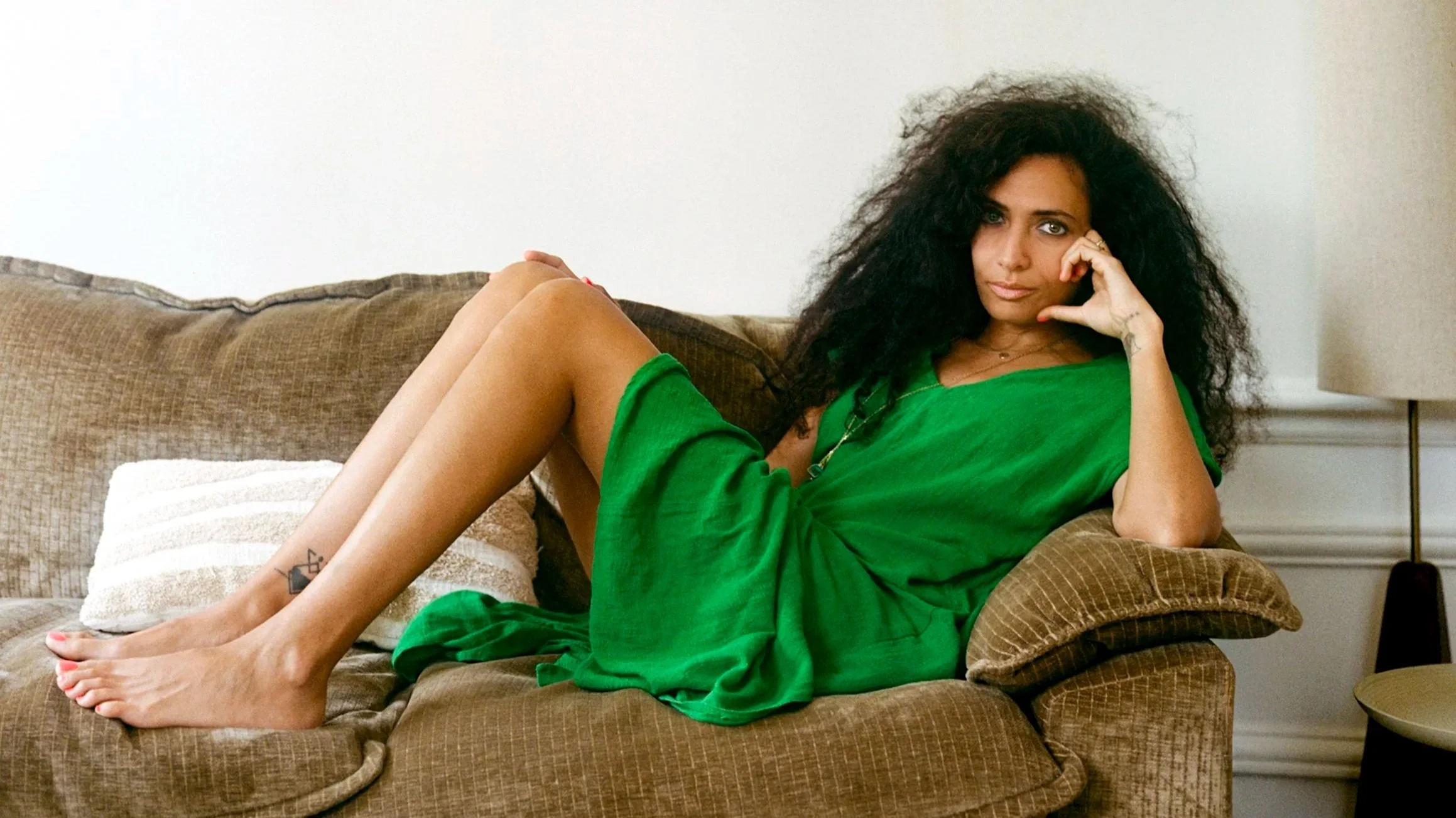
Poet and clinical psychologist Hala Alyan has a peripatetic soul — growing up, she moved frequently, living in several countries and many U.S. states, before settling in New York in her early twenties. Now, she lives in Williamsburg, and when she’s not writing or teaching at NYU, her favorite thing to do is wander around the city, often with her four-year-old daughter, Leila, in tow. In early July, we caught up with Hala while she was in Paris teaching at NYU’s campus in the city. We chatted about writing an accidental memoir, finding music to cry to, eating lemons in the bath, and more.
on her morning routine
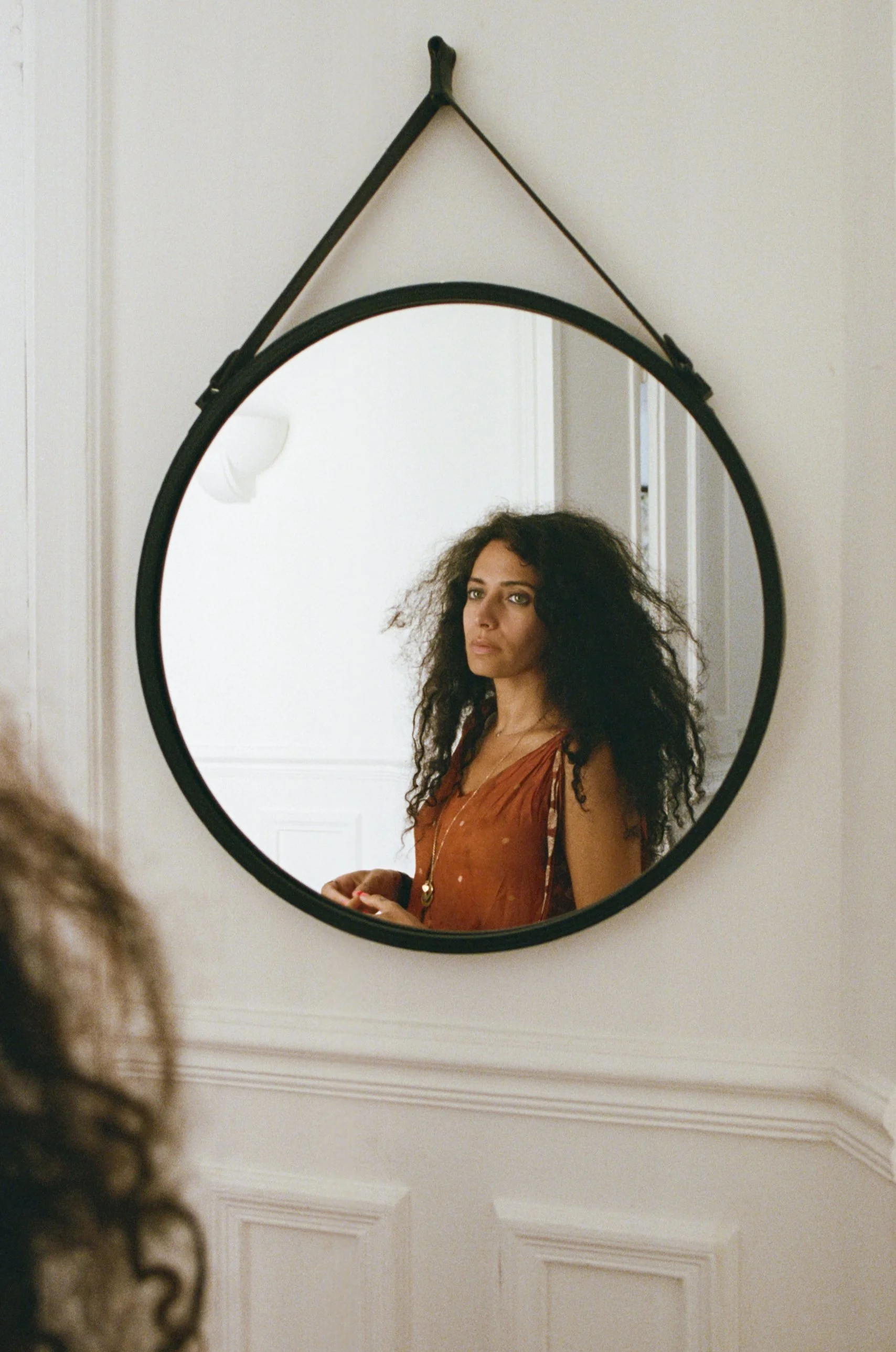
On the mornings when I’m doing drop off, I wake up whenever my daughter, Leila, wakes up, and I sleep in as much as she will let me sleep in. While we’ve been traveling, she's been sleeping at 9:30 or 10 p.m., and then waking up at 9:30 or 10 a.m. That's been amazing; it really suits my circadian rhythm. But in regular life, she's up at 7 or 7:30 am, which is really rough for me. I'm a night owl, and I'm not a big fan of the morning. I’m just trying to get through the mornings to get to the afternoon.
I drink probably five cups of black tea throughout the day, but I don't drink any coffee. I never have. So, I wake up, get the tea going, feed her. I usually skip breakfast, or I have it later. And then, it's off to school, or if it's a weekend, it's usually a playdate or a gymnastics class. And then, once I drop her off, I will either be working from home, or at NYU. I usually teach three to four classes a semester.
on her earliest memories
My dad was born in Gaza. Both his parents are Palestinian. My mother was born and raised in Kuwait, and she has Lebanese citizenship, and her mom is Syrian. They met and married in Kuwait when they were in college, and then when my mom was five months pregnant, the invasion happened, and so she left Kuwait. My dad stayed behind and followed later. I was born in Carbondale, Illinois, and we went back to Kuwait like a week later. Then Saddam invaded when I was four, so we left. We moved to Syria for a bit, and then they applied for asylum in the US.
I have a few memories of that time, but not many. I remember eating za'atar on the journey, and then I remember a bag of ice, and then I remember being in what must have been Syria, and my mom and her family praying. I remember they told me, we're praying to see your dad soon. I remember that very vividly. And then the next thing I remember is being in Oklahoma. They sought asylum in Oklahoma because my mom's sister lived there. She moved the year before; she got married, and her husband got into a PhD program at University of Oklahoma. Then, I remember looking out of the window with my aunt and uncle, watching my parents’ car. It was January, and there was a snowstorm. My mom was in labor with my brother, and they were trying to go to the hospital, but there was so much ice.
on the places that feel like home
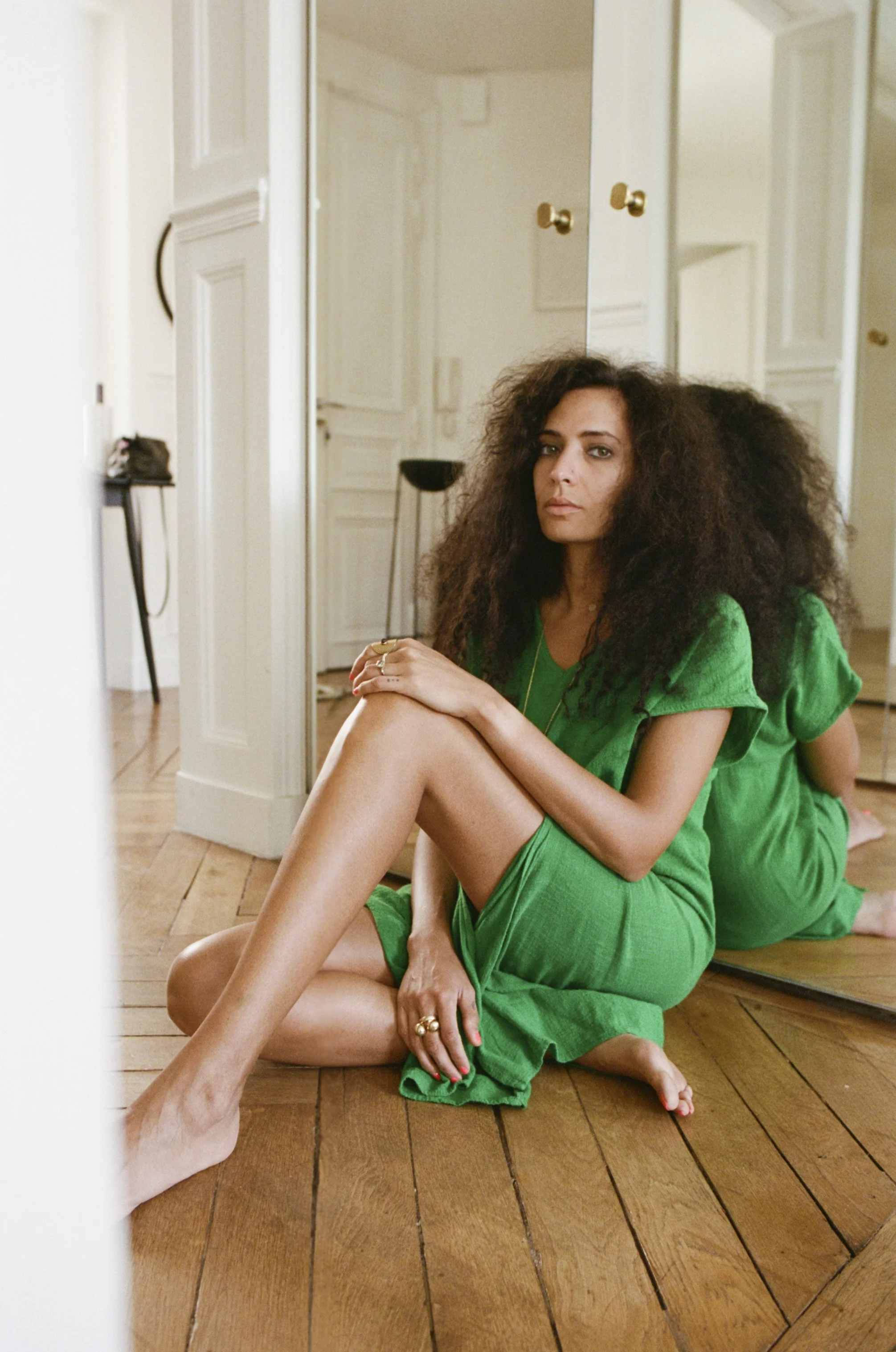
We stayed in the States until I was 12. We lived in Oklahoma, then Texas, then Oklahoma, then Maine, and then the Emirates for a year, and then Lebanon. Both my parents were in academia, so they went where there were jobs. And then they became higher education consultants in the Gulf. After I finished high school in Lebanon, my parents and my siblings all went to Qatar, and then they were in Qatar and the Emirates for the next fifteen to twenty years, while I meanwhile did my undergrad alone in Beirut, then moved to go to grad school at Columbia and Rutgers, then set up a life here. I lived on a different continent from my parents from age 17 until COVID, when my mom came to visit. At that point, the three of us siblings were in New York, and Trump kept talking about closing the borders, and so my mom was like, I want to be where my kids are if borders close. We were in Lebanon in 2006, during the war, and there’s so much war trauma. There were a lot of like intense moments, thinking about who's on this side of the border, who's on that. So, my parents came here from Lebanon with just a couple of small suitcases. They’ve been here since.
It’s funny; I moved a lot up until I was 22, but I’ve been in New York since then. I’m 40 now, so I’ve been here for 18 years. New York is home. I mean, New York is home to the extent that New York can be. Beirut is the closest thing I have to a place that I can go back to. I was just there last summer. It feels like home to me, too. I still feel very nostalgic for it. It’s devastating to watch what’s happening to it.
on her dream of moving to barcelona
I would like to move to Barcelona. I feel really connected to the city. It reminds me of Beirut. There’s something about the place; it has a warmth. It also feels like a really good place to raise kids. I mean, my whole life is in New York, but I don’t love the idea of raising a kid in a place where, at age three, she had to do emergency drills in her Montessori school in case there was a shooter. I know New York is a good place to be, and there are so many opportunities here, but that kind of trumps all other things. So, I think about moving to Barcelona. I don't speak any Spanish, to be clear. So there might be more practical choices. I speak some French, so Paris might make more sense, or London. Barcelona might just be a container that’s holding my desire to try something else, and in the end, it’ll be something more practical.
on the last time she cried
I usually have a really hard time crying, which is unfortunate. The last time I cried was a month ago, in Paris. It was my first time here since I got divorced. It was strange; it’s not like Paris holds a lot of memories for me and my ex. It’s just that the last time I was in Paris was years ago, and at that time, we were in a really nice place. I came by myself; he wasn't even here with me, but I was thinking about him in this sweet way, and we were talking all the time. So, I think there was something about coming to the city now. Like, oh, Paris, you don't even know what's happened. It felt like I was going to contaminate the city with this heartbreak, this grief. It was interesting, because unlike other places where I've gone and braced myself for something intense, here, it caught me unaware. That's why I cried a lot.
on the compatibility of psychology and writing
I've written my whole life. I learned English upon arriving in the States when I was five, and at the same time, I learned how to read and write. I've been telling stories ever since, in some way or another. And then I did a political science major at the American University in Beirut. I was going to do international law — I was studying for the LSAT. Then, I was just kind of like, I don't wanna be doing this. I'd taken maybe one psych class as an elective. But I had a couple of good friends who were a year ahead of me and had just moved to the States to do graduate school in psychology. I honestly think it was a lack of imagination and some instinct. It seemed cool. So, I studied psychology. I went to a program that was pretty psychodynamic, but then, over the years, I have become more intrigued by different behavioral techniques as well. The combination is interesting to me. I like CBT — Cognitive Behavioral Therapy. I love ERP — Exposure and Response Prevention. I think that works really well for things like OCD and certain phobias and anxieties and things that people are trying to avoid. A lot of the people that I see have intense trauma histories, and I do a lot of narrative therapy with them. It's an eclectic approach. I've been exposed to a bunch of different things, and I will reach for what might work. I think most therapists in this day and age are doing something eclectic.
My therapy practice has gotten much smaller since I teach full-time now, but I still see some clients, mostly Palestinians. I really love teaching. I’m a full-time Professor in the Applied Psychology graduate program. I'll teach classes in abnormal psychology, theories of psychology, substance use. And I teach poetry in the MFA department, as well. The students are so different in the two different departments, and they show up in totally different ways. It’s a delight. I want to keep a foot in both worlds, because they are both really significant to me. Writing and being a psychologist are the benchmarks of my life. I fell into psych, but it ended up being incredibly compatible with writing. The currency for both is narrative; it's storytelling; it's understanding and making sense of things. They could not be more complementary.
on her time blindness
I'm always late everywhere. It's always chaos. I definitely have time blindness. I'll look at Google Maps, and it’ll say it will take me 18 minutes to get to NYU, and I’ll be like, 18 minutes, great. So I'll leave 18 minutes before I need to start a class. Like, every time, it's astonishing. People lie to me about the timing of things. I had a friend once tell me to meet her for dinner at a certain time, and I showed up on time for once, and the reservation was not for another 30 minutes. She lied about the time because she knows I’m always late. I was so indignant. I was like, I had to wait for half an hour. She was like, I'm always waiting on you. I even hinted to a friend recently that she should do that. She had an event coming up, and I was like, don’t tell me the exact time.
I keep meaning to get tested for ADHD. A part of it is that there's a level of stimulation that I need to be able to be in the world. But I don't want it to be like that, especially in this era of my life. I'm about to turn 40; I want this new era of my life to be a little bit calmer and a little bit steadier. I need to figure out how to do that.
on grieving the end of her marriage
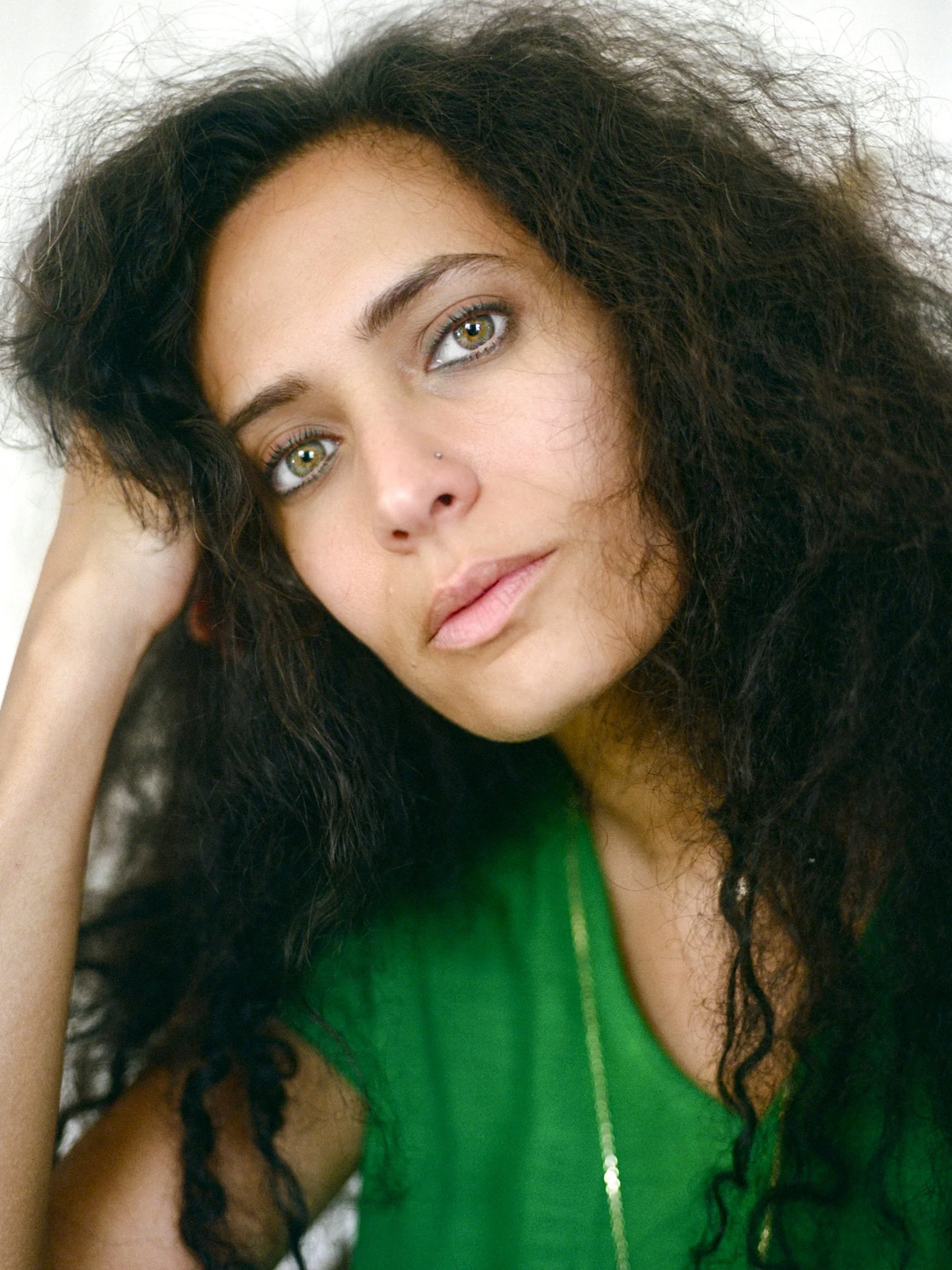
I got separated a few months after October 7th. I also did an egg retrieval just before October 7th. It was a crazy time. I was basically simultaneously coping with what we had all been witnessing, and then also dealing with a marriage falling apart. We’d been together since 2012, and then we got married a year later, so we were married for about 10 years.
It happened all at once, and it happened over years. It was a shock, and it was completely expected. It was something that I very much hoped wouldn't take place. I'd been sort of frantic for the previous several years, throwing everything I could at not letting this thing fall apart, so much so that I didn't spend a lot of time asking myself if I even wanted it to continue. I was like, if this end happens, it's gonna be annihilation. It can't happen. And then, it happened, and it wasn’t. So few things are, right? Like, what is? Nothing is, except annihilation, you know?
In some ways, it was just as painful and terrifying as I thought it was gonna be, but I think I had kind of already learned how to be alone for the previous few years. I was surprised by how little the texture of my days changed afterwards. That was when I realized that I’d sort of been parenting, and existing, and working on my own anyway. That was really shocking. But at the same time, I realized that companionship is really valuable, even companionship that has all these different cracks in it, or doesn't meet most needs. The literal, physical separation was really excruciating in a way that I hadn't anticipated.
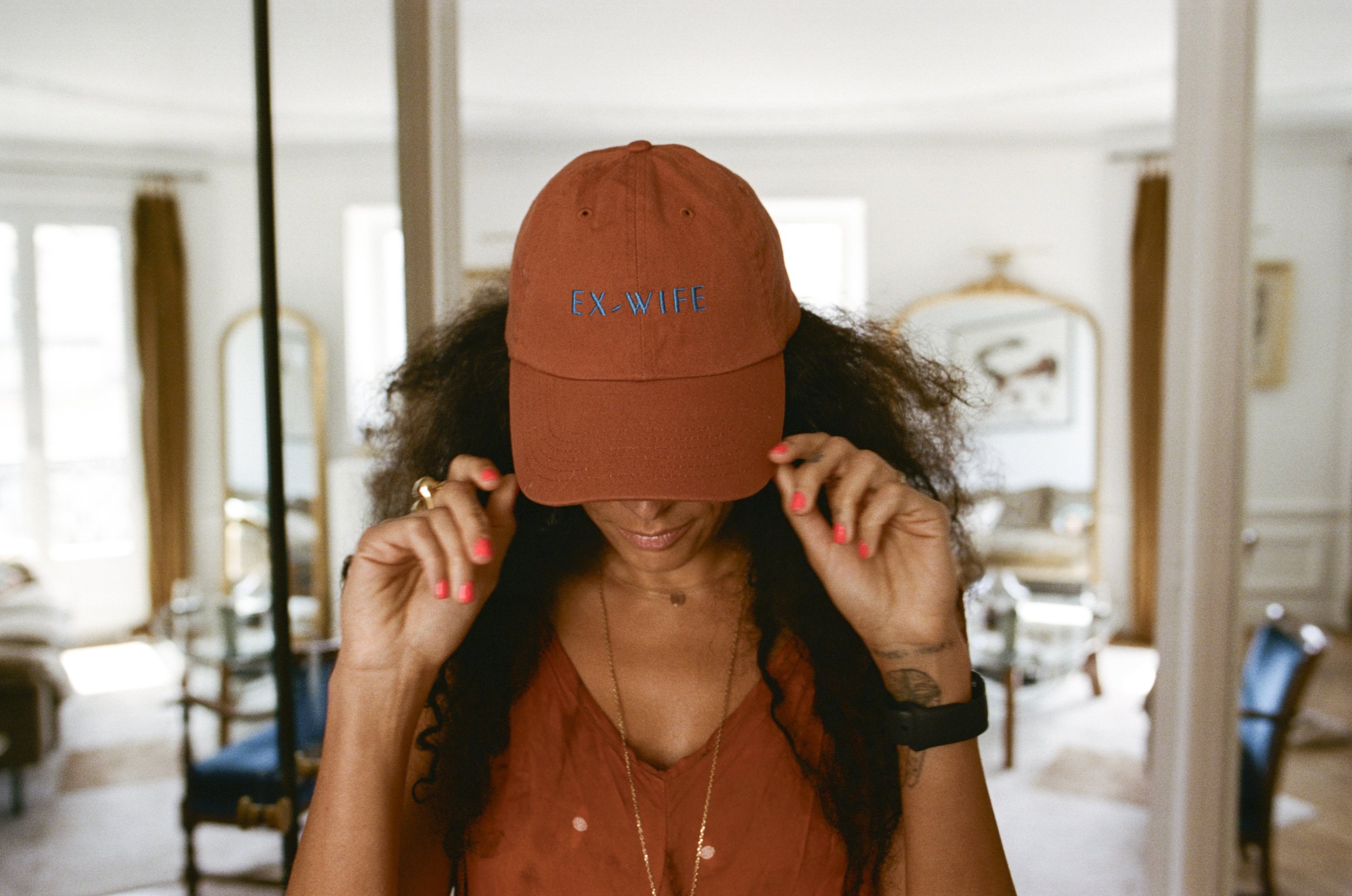
I'm still grieving it. I don't know how long it'll take. I think it's been a very particular rupture. There’s been a lot of erasure, and stranger-making — you’re watching yourself be turned into a stranger, and I have a really hard time with that. We also haven't been able to co-grieve. That’s something that I want, but I don't think one needs it to survive something. We're culturally from different places, we’re emotionally wired differently, we have different attachment styles. The things that he needed to survive, or to get through it, were the opposite of what I needed, and you can't hold someone to the standards of your own grief.
on new and old friends
I love throwing parties. I have a few different crews, and they’ll all come together. There’s the poetry crew. There's the Arab crew. There's the Arab poetry crew. I have friends from Beirut who I’ve remained really close with. And then there's a group of women that I became closer with in the last six years, which has been such a delight, because it can be hard to make close friends as we get older.
And then, during the genocide, I made a lot of connections. Everybody's traumatized, everybody's in shock, everybody's frantic. People are trying to collaborate. And so, I made all these connections, and they're very intense. You're trauma bonding, and also, I was already going through an intense personal time, other people were also going through intense personal times. There were a lot of intense — I keep using the word intense — friendships and connections that were made. Everybody that I connected with in that time period, and became close with, will always be so incredibly beyond precious to me, and beyond meaningful to me. At the same time, not all of those relationships will be carried on in the same way once this moment of intense crisis passes. But with some of them, there's been more time, there's been more investment, and there were more things in common, and in alignment, than just that moment, and those relationships will last.
on writing a memoir without planning to
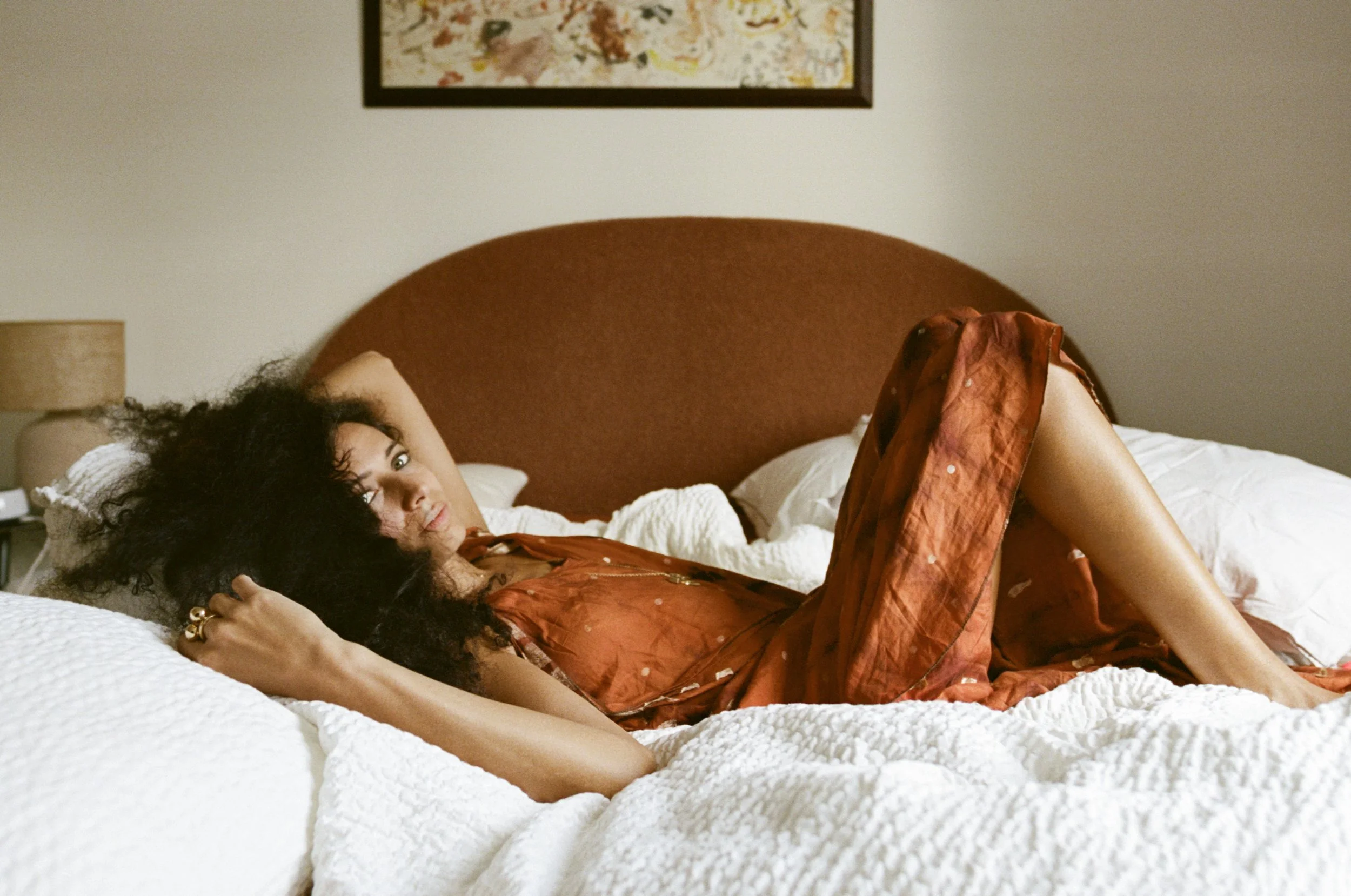
I didn't set out to write a memoir. The book proposal that I sold was for a collection of essays. But the essays just weren't working. My editor kept telling me I needed more connective tissue, and so it went in that direction. It’s done well and I’m very, very grateful for that, but I never was like, it's time to write a memoir. It was hard working on a memoir I didn’t intend to write. The experience of writing it was so difficult and painful. It was probably the most difficult thing I've written and the most transformative thing I've written. I'm grateful that I did it. I do think I wrote from the wound, instead of the scar, as they say — the writing advice everyone gives is to give yourself a little bit of distance when you're writing nonfiction. Instead, I was writing about the surrogacy when Leila was two months old. It had just happened. I was writing about marriage stuff, and the marriage was still falling apart. I was really in it.
on her writing practice
I usually try to write for half an hour or so every day. I write at different times; whenever I can get it. I'm not a purist. The one thing I’m a purist about is that I always write on the computer, never write by hand. When people say they write by hand, I'm like, what a waste of fucking time. Which tells you something about how deeply late-stage capitalism has gotten its hooks in me.
I can't share bits and pieces of long-form projects with people because I'm too easily influenced. I've never given a chapter of a novel-in-progress to someone, because if they were like, I don't like this character, I’d just have to kill this character. I need to have a draft before anyone can see it. Usually, I write a completely incomprehensible first draft, and then a slightly more cohesive second draft.
on her relationship to religion
I’m culturally Muslim, but I’m not particularly observant. I fasted a little bit this past Ramadan, but it was the first time I fasted for Ramadan since I was like, 16. We'll celebrate Eid. I read the Quran every night before I sleep; I'll read the Quran to Leila. I don't pray, but I'll recite it. The recitation is comforting to me, because I associate it so much with my grandmother.
on her relationship to aging and beauty
I have a little girl, and I’d like to model a more straightforward relationship to aging for her. Like, bodies change. It’s not that I’m faking anything — I don't have to be excited about aging. Maybe I will be. I don't know that I've even thought about it that much. I’ll sometimes get feedback that, like, my hair is turning gray from my mom or aunties or whoever. But day to day, I just feel very grateful to have a life that is full of things that I appreciate and that I treasure and enjoy, for the most part. Even when I'm challenged by it, it feels like a meaningful challenge, or a value-driven challenge. And so I don't know that I am tapped into that worry or preoccupation with aging on a regular basis on my own.
I’ve seen people turn a particular age and suddenly get frantic. They’re like, I need to do all the things. I’m open to that if it happens to me. But I really hate washing my face. I don’t wear makeup most days. I haven’t brushed my hair since May 18th, the day I left New York for my book tour. I’ve had friends set me up with a skincare routine, and I’ll do it for like, three days.
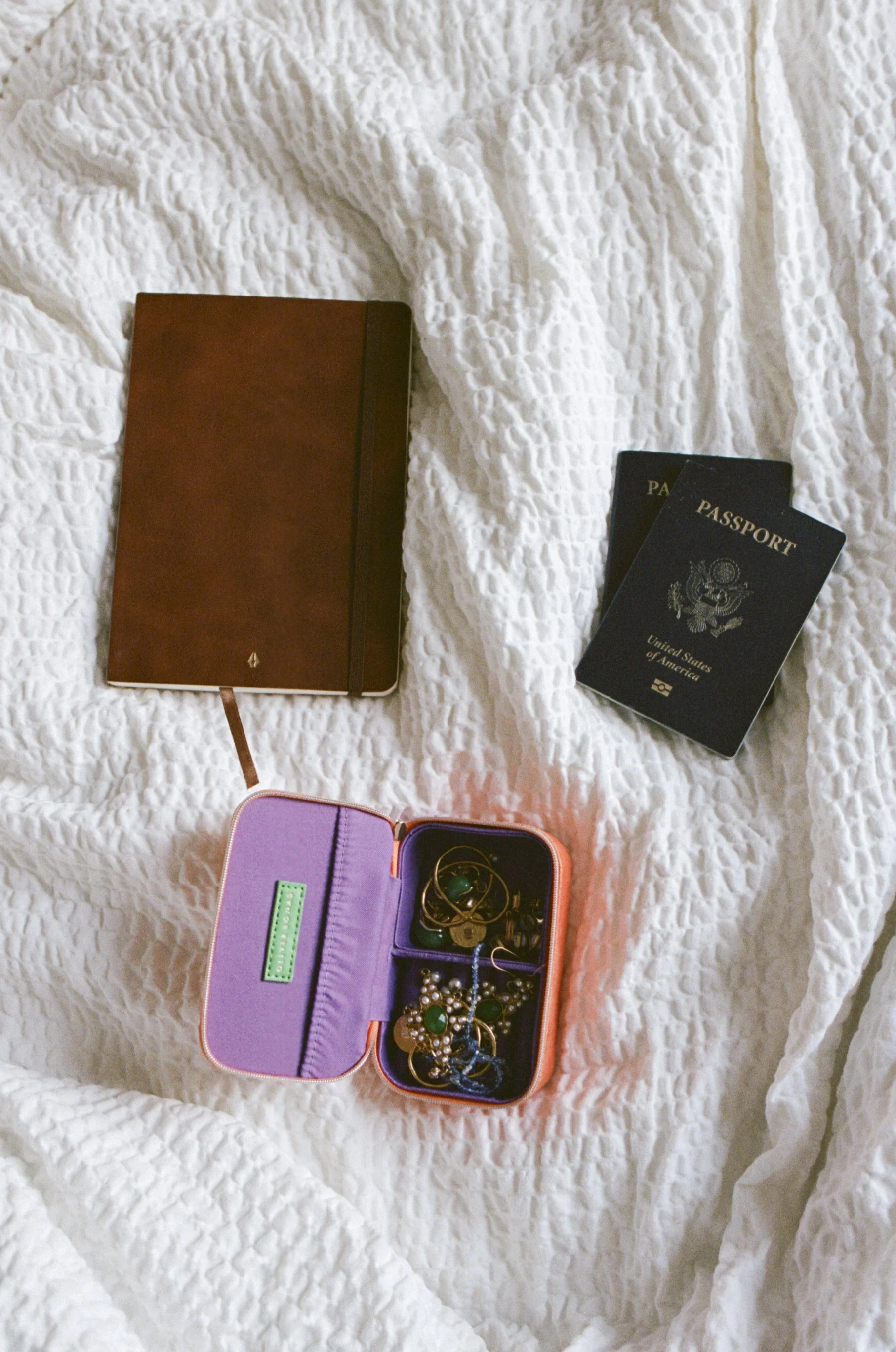
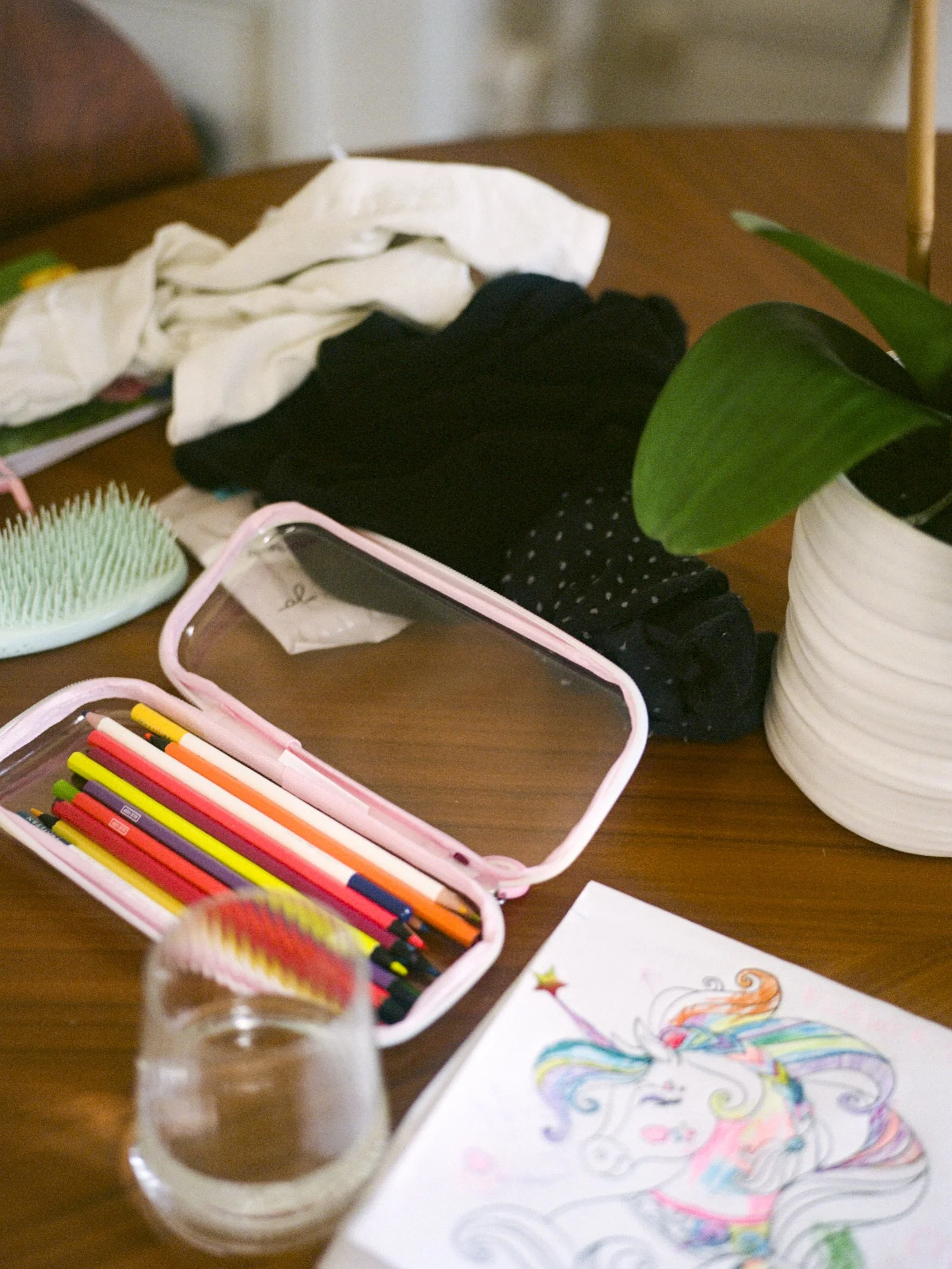
“I find caretaking and mothering to be really anchoring, if for no other reason than that there are so many functional details that staple you to different times of the day. The fact that I have to feed a human being three times a day does ground me. It’s hard to stay in your own head too much because you’re like, well, where’s breakfast? You don’t get to lounge around being sad. You have to get up and do things. I’m very grateful for that, in moments that are tough.”
on not scratching the itch
I don't always feel well; I don't always feel grounded; I can get frenetic; I can get sad. But I've tried to invest in philosophies that have legs that will hold me throughout different life experiences. I really love the concept of exposure therapy: moving towards the things that you're afraid of so that you change your relationship to them. I really believe in the concept of non-attachment, or restraint. Like, not always scratching the itch, whatever that itch is. I try to practice that. I'm trying to get more kind of fluent in that. I think attention is the most important currency that we have, and I waste it constantly on my phone. I’m hyper-aware of how I misuse it often, but I'm trying, when I catch myself, to remind myself that you only get to have this day once. Even if it's not a good day, why don't you just be in your day? Or if I feel like shit or I'm cranky, I'll think you can just be cranky. Maybe don't miss this experience.
on the responsibility of hope
I think I have to have hope. I have a kid, and I worked very hard to have that kid be in the world, and so it would be kind of irresponsible of me to luxuriate in a world where I don't have hope. I have to try. And that is work. It is a conscious thing. I try to think about what I do have control over, in my little pocket of this world with her, and to make it better.
When she was born, especially given the genocide, I started to think, how do I want to answer the question of what I did with my time during these years? Like, what if she asks me what I did, what do I want to be able to tell her? You don’t have to have kids to think about that. You can then think about anybody in the future asking that. You can think about your future self asking that: What did you do with your time?
on what she’s reading and listening to
Before the last few years, I had never listened to an audiobook. I was always like, that's not reading, and I still stand by that; it's a different way of engaging with the thing. But while I was working on my memoir, I got really into listening to memoirs recorded by the writer themselves. It’s like an hours-long podcast of the person talking about their life, and nothing delights me more. I'm currently listening to Mother Mary Comes to Me. It is 11 1⁄2 hours, which is amazing. I just listened to Famesick by Lena Dunham, Selfish by Kerry Docherty — she's a friend of mine. Health and Safety by Emily Witt, which I really recommend. Clam Down by Anelise Chen was really good.
On my commute, I listen to a lot of podcasts. I like Add to Cart, How Did This Get Made?, The Deep Dive, The New Yorker Poetry Podcast, and You Made It Weird. Someone recommended I listen to West Cork, which is a true crime series, so I started that when I was in Cork recently.
on finding music to cry to
I’ll listen to Today’s Top Hits on Spotify; I’ll listen to random things. I don’t think of myself as a music person, so I get caught unaware by music. I’ll hear something in an Uber, or at a bar, or in someone’s house, and I’ll often be like, what is this, who is this by, and it’s not usually because I’m like, oh, this will perk me up later. For the most part, I don’t listen to music to be happy. If I hear something and I’m like, this will help me cry later, I’ll hoard it. I have a playlist called “White People Teach Me How to Be Sad” and it has people like Lucy Dacus, Noah Kahan, The National, boygenius, Samia, Ani DiFranco, Mountain Goats. The whole crew."
But then, I’m going to see Bad Bunny tomorrow. I do like music that gets me kind of hyped up.
on her bathing routine
I love a bath. I’m always just lounging in a bath, thinking, listening to things, reading, taking notes, talking aloud to myself. I do my best work, mentally, in the bath. I have a whole system. I get it really hot — there are times when I think, you’re gonna pass out. This would be a terrible way to go. I have a little tray with my notebook, some water, and a snack. My bath snack is lemon and salt. I’ll cut it up with the rind and dip it in the salt. I eat it like an apple. It's actually really hydrating because the salt and the citrus help hold in the water you're drinking. It’s probably ruining the enamel on my teeth, but I love it. It’s very bracing.
hala’s favorite spots in new york city
Park: Domino Park
Bookstores: The Strand, Greenlight, Books Are Magic, Yu & Me
Restaurants: Suzume, Rule of Thirds