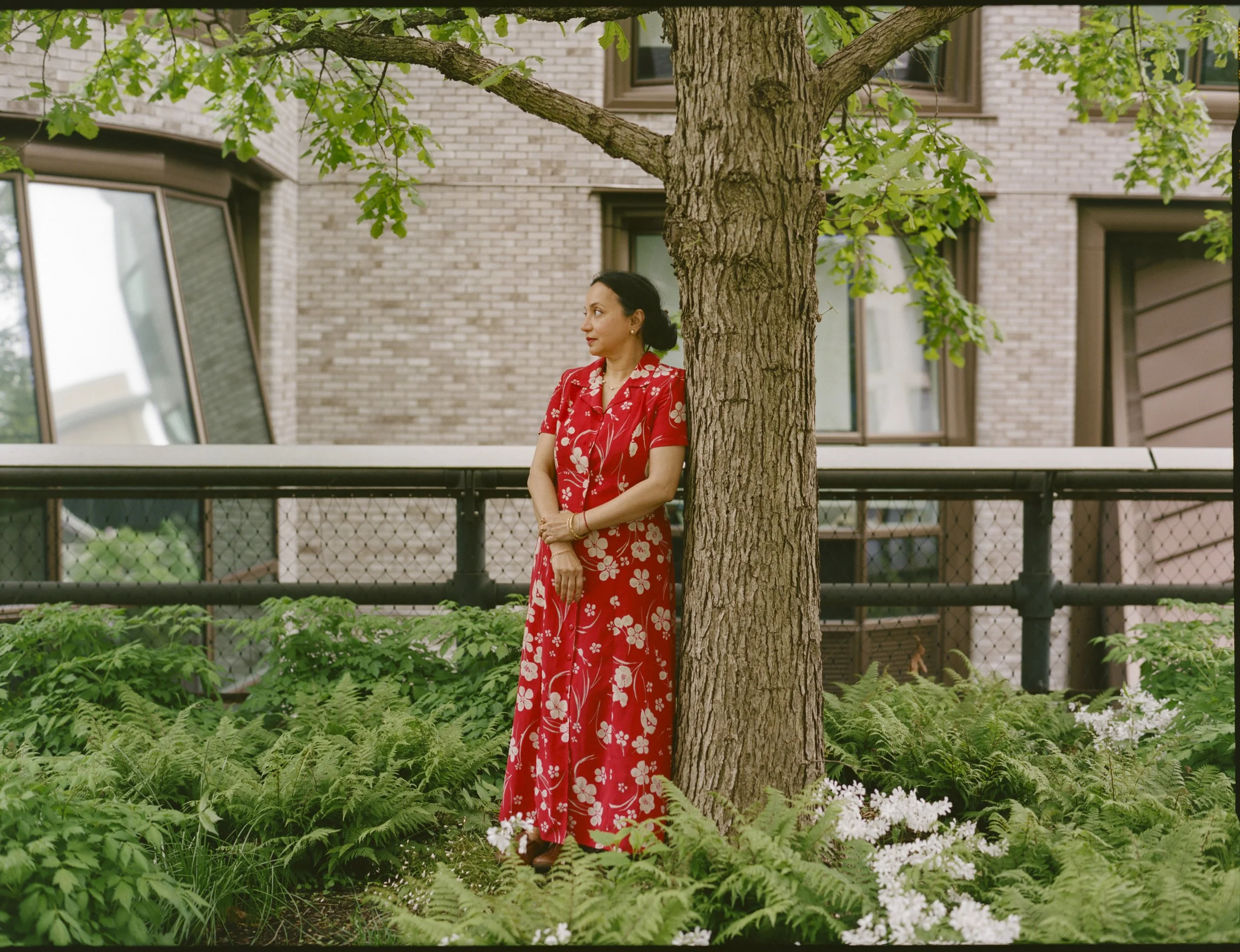
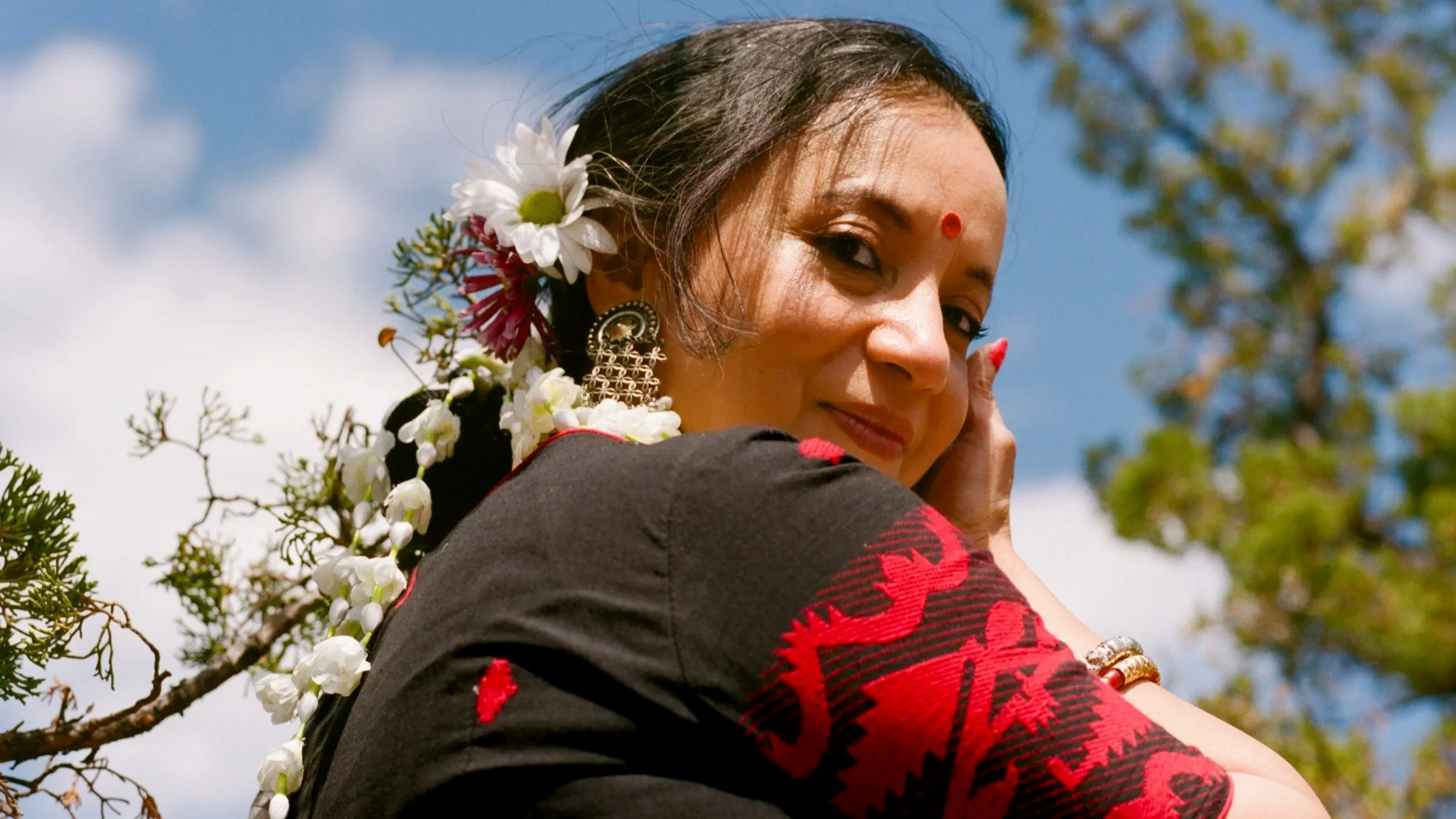
Mousume Sarker runs NY Copy, Print, and Ship Center — the store is an East Village staple, as is Mou (that’s what her friends call her — that, or Poppy, her other nickname). Her customers, many of whom have been frequenting the shop for decades, are so used to seeing Mou behind the counter that sometimes it takes them a minute to recognize her when they see her walking around the East Village. Mousume came to New York City in 1994 from Bangladesh when she was 22, and she’s built a community here that feels like family. Now, after working at the store full-time for almost two decades, Mou is preparing to close up shop this summer. Early in May, we talked with Mousume about embarking on this new chapter in her life, the importance of ritual, navigating the New York City school system, and more.
⌨ mousume’s last google search | ♫ listen to mousume’s playlist
on her morning routine
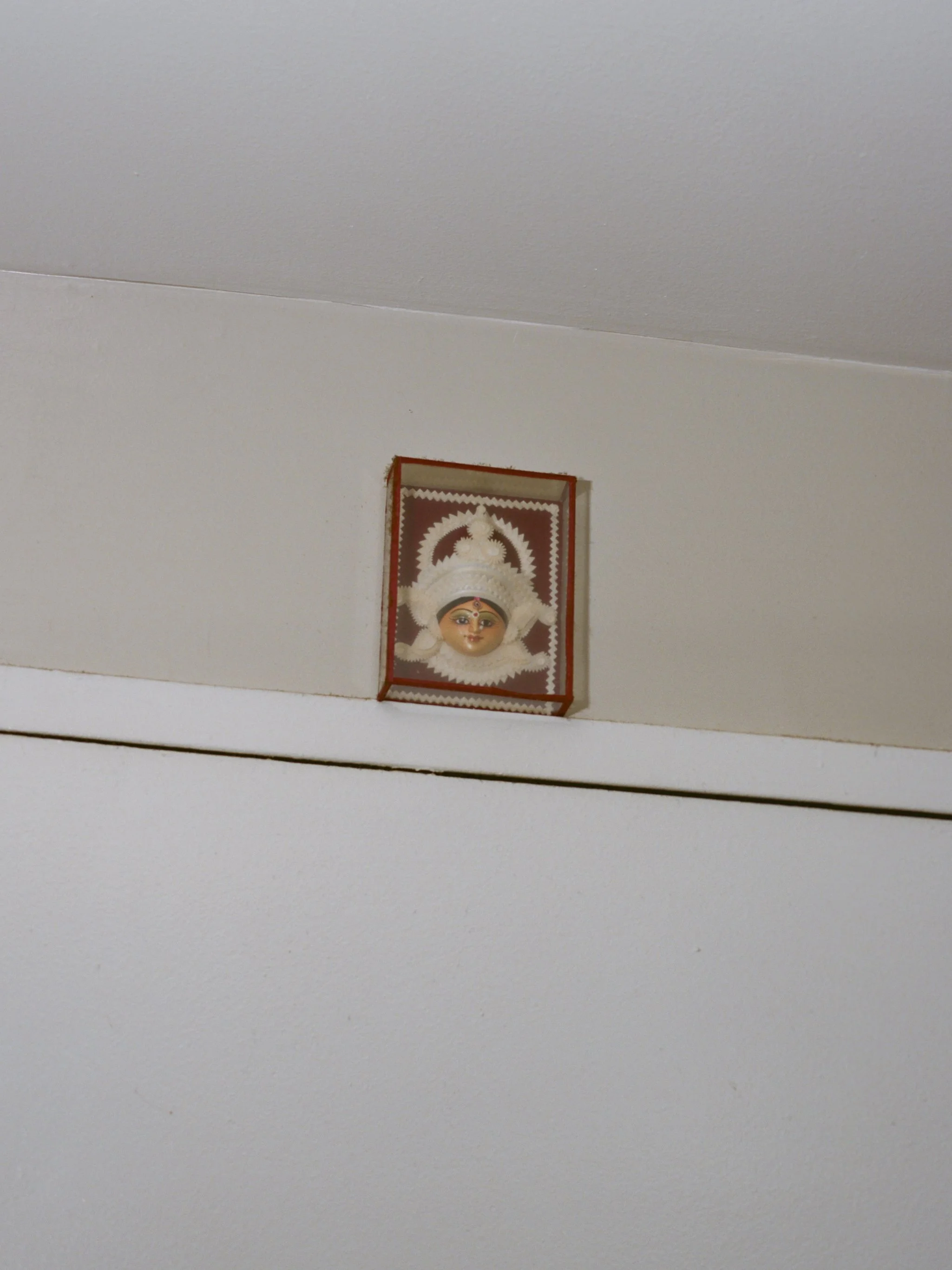
I get up at six o’clock, and the first thing I do is put water on for chai. I make my own chai — most of the chai places that I’ve tried, I didn’t really like. First, I put the water on to boil, then I put in black tea leaves, and then after it’s boiling, I put cardamom in. Some people make spiced chai—that’s different—but I don’t have that much time in the morning. While the water is boiling, I take a shower. Then, as the sun is rising, I meditate for ten or fifteen minutes. I’ve been doing that routine for a long time. I am a Virgo, and I am so particular. I do everything myself because I'm so specific. Even with a customer’s job, I feel like everything has to be perfect. It makes me worry too much, and I try to work on calming down. This ritual helps me with that.
on moving to new york city
I first came to this country in April 1994. I still remember that day because it was our New Year—our calendar is the lunar calendar. At that time, we lived in a studio apartment on 9th Street between B and C. My husband came to New York City a long time before I did. He got the apartment before I came to this country. After we got married, he started the business. He was trying to print one of our wedding photos, and he couldn’t find a copy center around here. He was thinking about starting a business, and he thought, maybe I can start that kind of business. When I first came here, I’d walk to the store just to hang out, because I felt alone at the apartment. I was homesick.
At that time, there was heavy demand because it was the only copy center in the neighborhood, and the neighborhood was full of artists, playwrights, actors, and all sorts of characters. So, we opened a second store across the street. It was a tiny place. We had three machines, one color, two black and white. It was so small that people sometimes had to line up outside the door.
on her childhood creativity
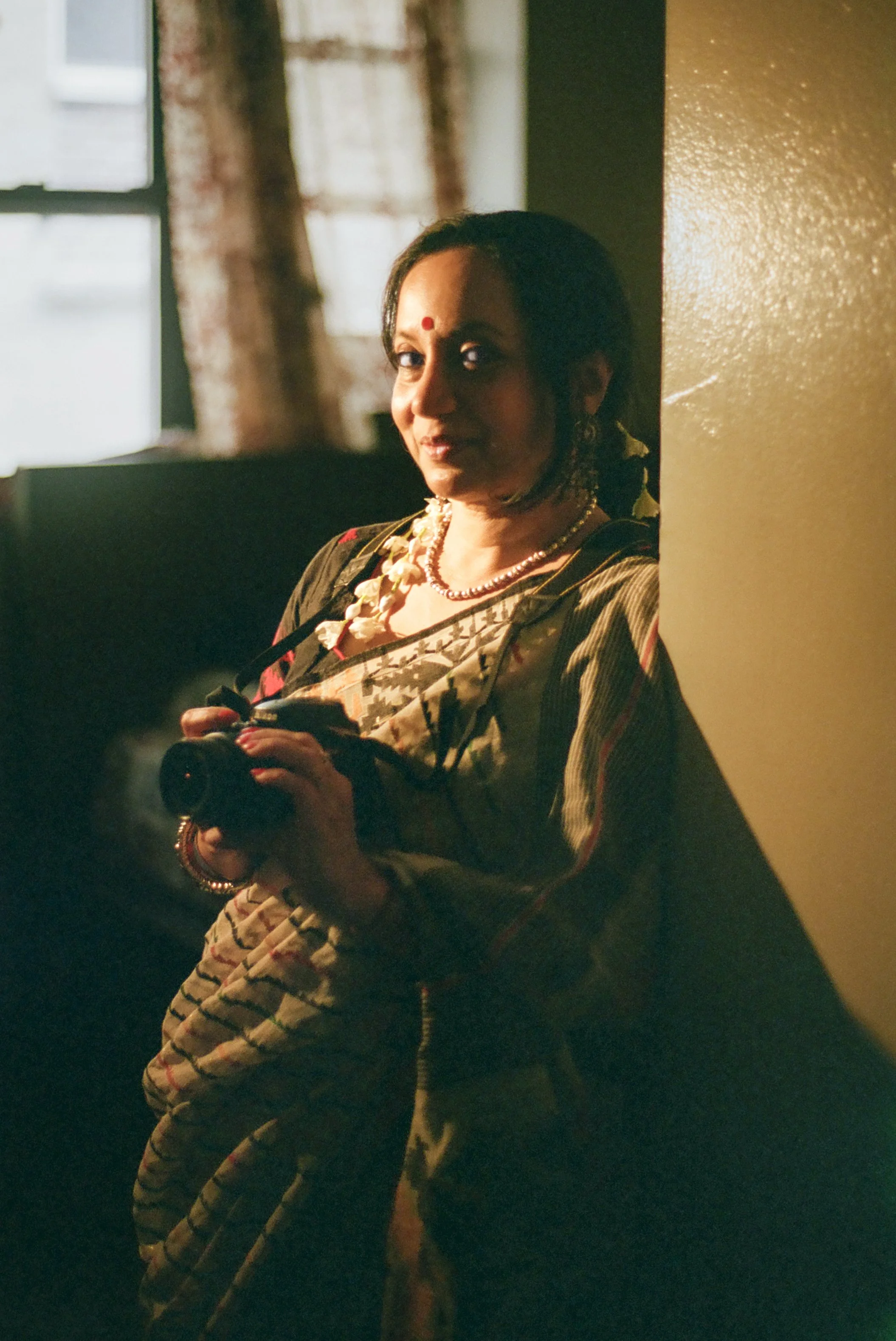
I was born in Dhaka, the capital city. Both of my parents worked at a bank. My father was Senior Principal Officer, and my mom was a clerk. Most of the time we didn't have any help, so I helped my mom with all the housework. I was by myself after school, and I had lots of work to do. I had to clean around the house. I also spent a lot of time making dolls. My grandmother used to send me dolls from the street fair in the village, but I didn't like those dolls. So, I started collecting clay, and I’d make dolls myself and dry them in the sun. My mother threw them all out when she thought I was too old to play with dolls. I was heartbroken. I can still see them in my mind.
At Dhaka University, there is the Charukola Institute, an arts school. When I was a teenager, I wanted to go there, but my parents didn’t want me to. Instead, I was a science student, but I loved to draw. All my class friends didn’t like to draw, and I’d do all the drawings for our science projects — botanical drawings, sometimes animals, things like that. Now, I feel like that was a past life. I’ve hardly drawn since then. But I had a close friend, Peter, who had a stroke. He was a very nice guy. He was an acupuncturist, and he was also very creative. At his memorial, his wife, my friend Ronnie, put out a table and asked if anybody would like to draw for Peter. And I did. It came from nowhere, I just did it. My son was there too, and he saw, and then, for Christmas, his fiancée gave me a drawing pad. I still have it at home, but I never touch it because I never get that much time for myself.
on finding her family
I got into Dhaka University for science, but then I got married when I was 19. My husband and my family decided not to send me to Dhaka University; instead, I went to Eden College with a two-year program. I think it’s called an Associate’s degree here; there it’s called a Bachelor’s. It was quicker, so I’d be able to finish and come to the States with a degree. I went with the flow. I started there as a science student, but my in-laws used to come all the time and take me to their house, and I missed a lot of classes, so I had to switch to a Bachelor of Arts. I thought I’d be able to study more when I came here, but it didn’t happen. I didn't get any support. I told my husband that I’d like to go to college here, but he wanted to have a baby, and then he opened the new store. I was lost. I didn't have any family here; I couldn't talk to anyone. I didn’t speak English fluently. I could write better than I could speak, and it took me a while to develop that skill. But it turned out fine — people were very friendly and supportive. I started making my family with people I met here.
Some of the clients here, we became so close, they’re like family. I have one client who is 70-something years old. She used to live across the street, and now she is in senior housing on 34th Street. She comes in once or twice most weeks and brings me food. She is from Siberia, and she makes a lot of soup. When she was young, she was looking for work, and I introduced her to a doctor in the neighborhood, Dr. Mary, and she went to work in the doctor’s office. From that point on, she became almost like a mother to me. People come in here and ask if I need anything, if they can drop something off at the Post Office for me. There’s a lady who lives upstairs, she is also maybe seventy-something years old, and she sometimes tells me to text her so she can walk me home. She’ll walk me home and then come right back to the same building we left from. I’ll tell her, like, “What, I’m going to get lost?” She replies," I want to walk you home safe." I do believe that I am in the best community I could ever imagine. They are more supportive than anyone in my family. I feel like I am blessed.
on having a ritual
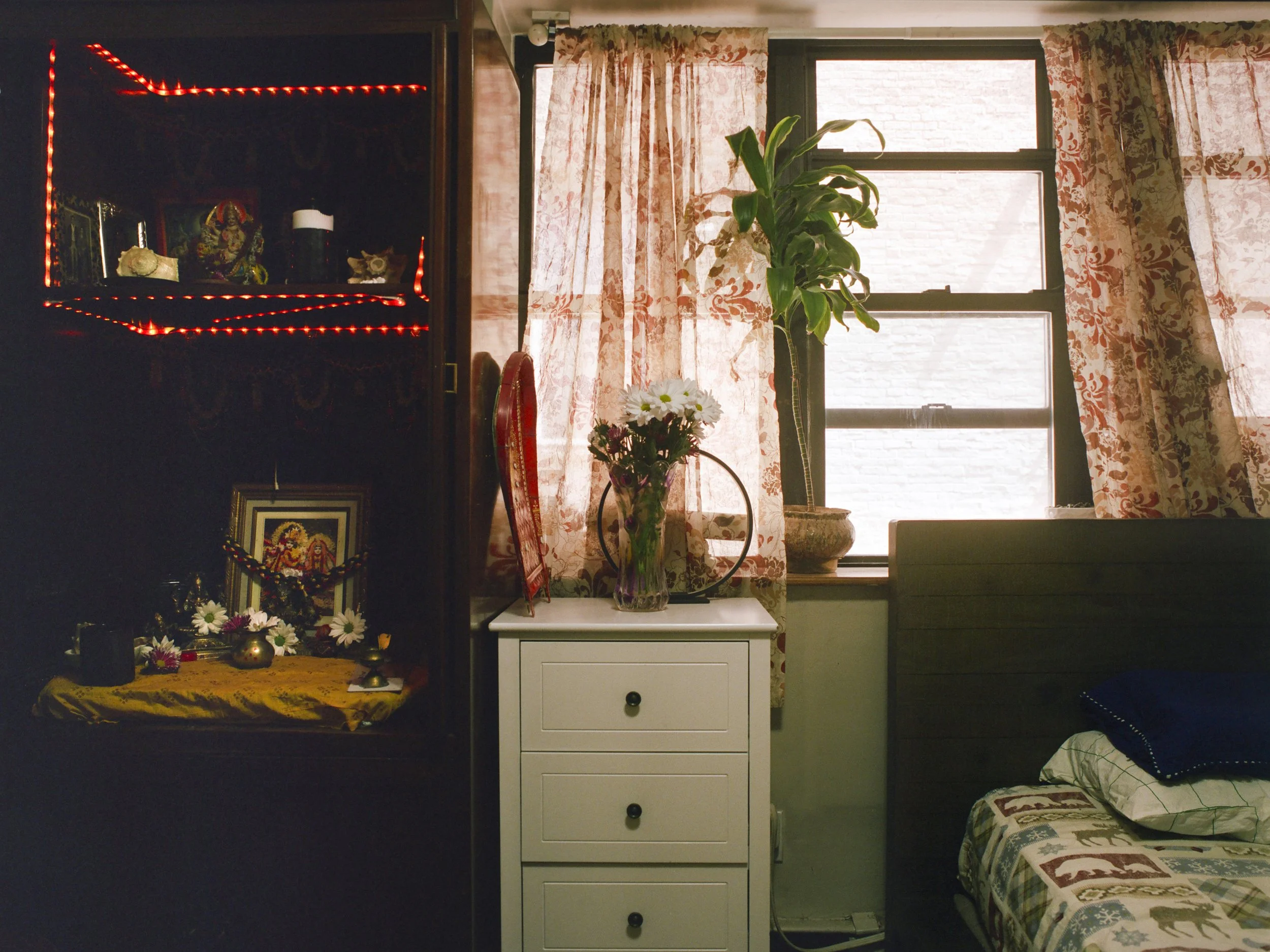
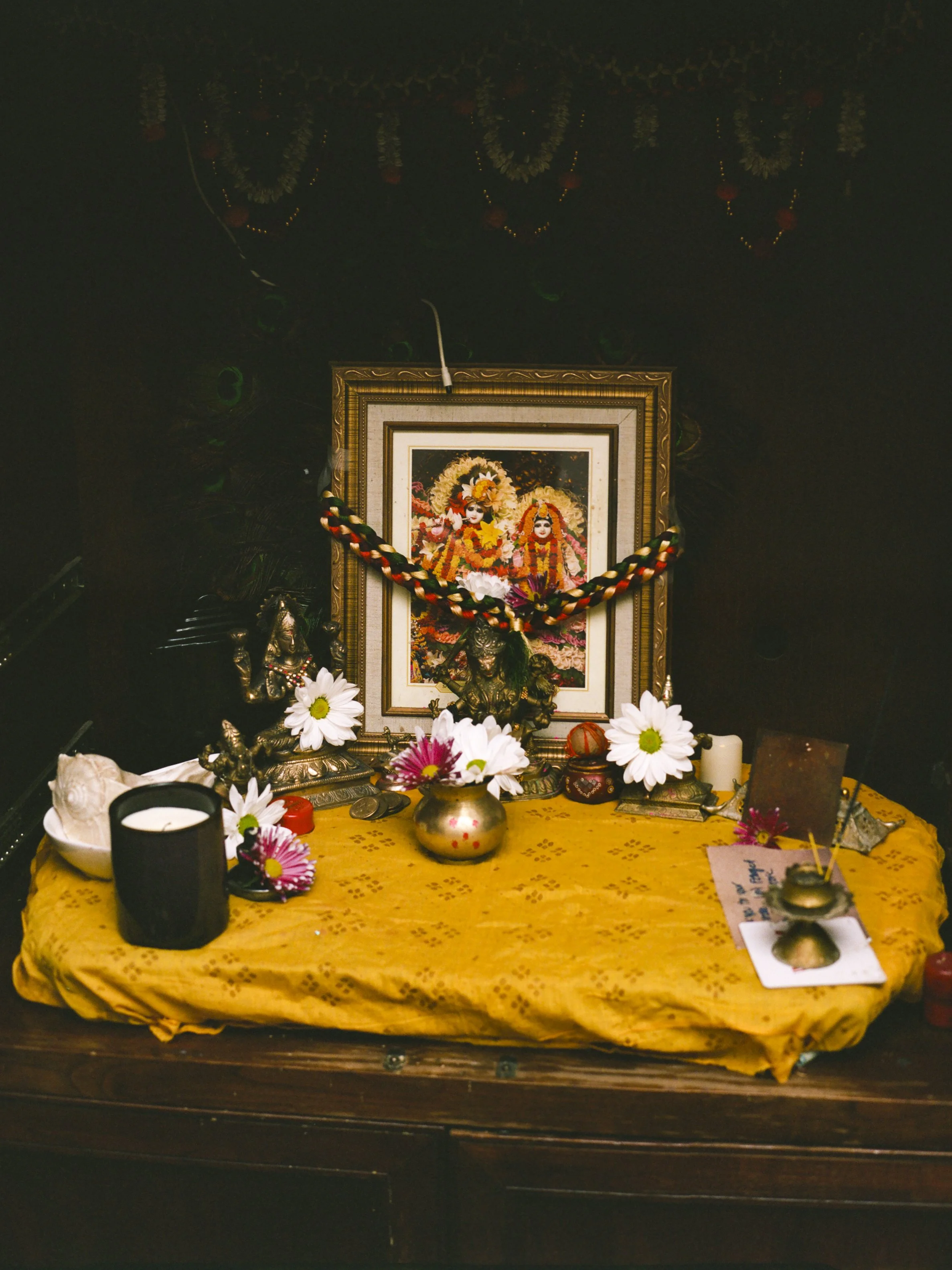
We used to eat at this Indian place on 6th Street a lot. It’s not there anymore. My husband knew the owner, so he treated us really well. I went all the time when I was pregnant. And there was a store on the corner called Back From Guatemala. I used to love that store; it had all different kinds of stuff. They had this figurine of the goddess Kali, and it was from Guatemala. I was really fascinated by it. It didn’t look exactly like the Kali figure from India. Normally, Kali has her tongue out, but this one doesn’t have her tongue out. She’s smiling. It was bronze and very heavy, and it was like $300 at the time. But then they had a sale, and they marked the figurine I have on my altar down to $100. My husband and I went and bought it right away. I brought my altar from my country, and I put the goddess Kali on my altar. That’s when I started doing my daily meditation, and it’s really helped me. It’s about being grateful that we’re still in this life, about appreciating that the universe is taking care of us, and about taking care of the universe. You can put anything on the altar. I have water here because our bodies are 75% water. I have flowers. I have a candle and incense. I have all my deities. I shower them with food. Once in a while, if I cook, I’ll offer them vegetarian food, but I don’t have that much time, so mostly I use dried fruit. I use whatever is available. It’s a ritual; it’s called puja. You don’t pray only for yourself; you pray for the universe. For every living thing. And then you sit in front of it, chanting mantras.
People ask me how I deal with all these people coming into the shop—so many people are a little bit crazy or angry. I am able to make myself stay calm because of this ritual. It gives me strength. I have the incense in the shop too, and I have a lot of plants. I feel like plants are giving, and we are taking all the time. When I come in in the morning, I clean the floor, I water the plants, and I pray there too. I have another altar in the back of the store. In Hinduism, we believe that nature gives us so much. And we need to appreciate it. That is the most important thing. And that makes me feel better. There is a quote called "Jibe prem kore jei jon seijon sebichhe Ishwar" by Swami Vivekananda, meaning, “The one who loves life serves God”.
on the time the shop was robbed
When my father passed away, I’d just called him the day before. That was a weekday, and normally, I only called on the weekend, because international calls were so expensive at that time. But I’d seen in a dream that my father was passing away. At the time, I was six months pregnant, so I couldn’t go back to see him or be there after he died.
I didn’t sleep at all the night after my father died, but my husband had to go to work anyway. The next day, we had a robbery in our store. Five people came to take our color machine, because that machine could produce almost an exact copy of a twenty-dollar bill. He went to the store around 8:30 am, and around nine o’clock, they came. They tied his hands and legs and put him in the bathroom in the back. Thank God they couldn’t lock the bathroom from the outside — he somehow managed to get out. So, my husband was coming out of the bathroom, screaming, saying, someone is robbing my store, trying to steal my machine. And they had a gun. They tried to hit him with the gun. They could’ve shot him, but they didn’t shoot, thank God. On the street, some people were walking their dogs, and at first, they thought we were just moving some machine out of the store or something. Then they saw him screaming. He was screaming to everybody to call the police. At that time, there were only landlines. Next door, there was a dry cleaner, and the owner’s name was Mike, and he called the police.
The robbers took the machine and put it on the truck. But then they could not start the truck. They could not go anywhere. I wonder, is that a miracle? Is that my father? The police came, and they were all over, blocking the street. And they all got caught. They were sentenced to twelve years or something like that. It was like a movie.
on working at the store full-time
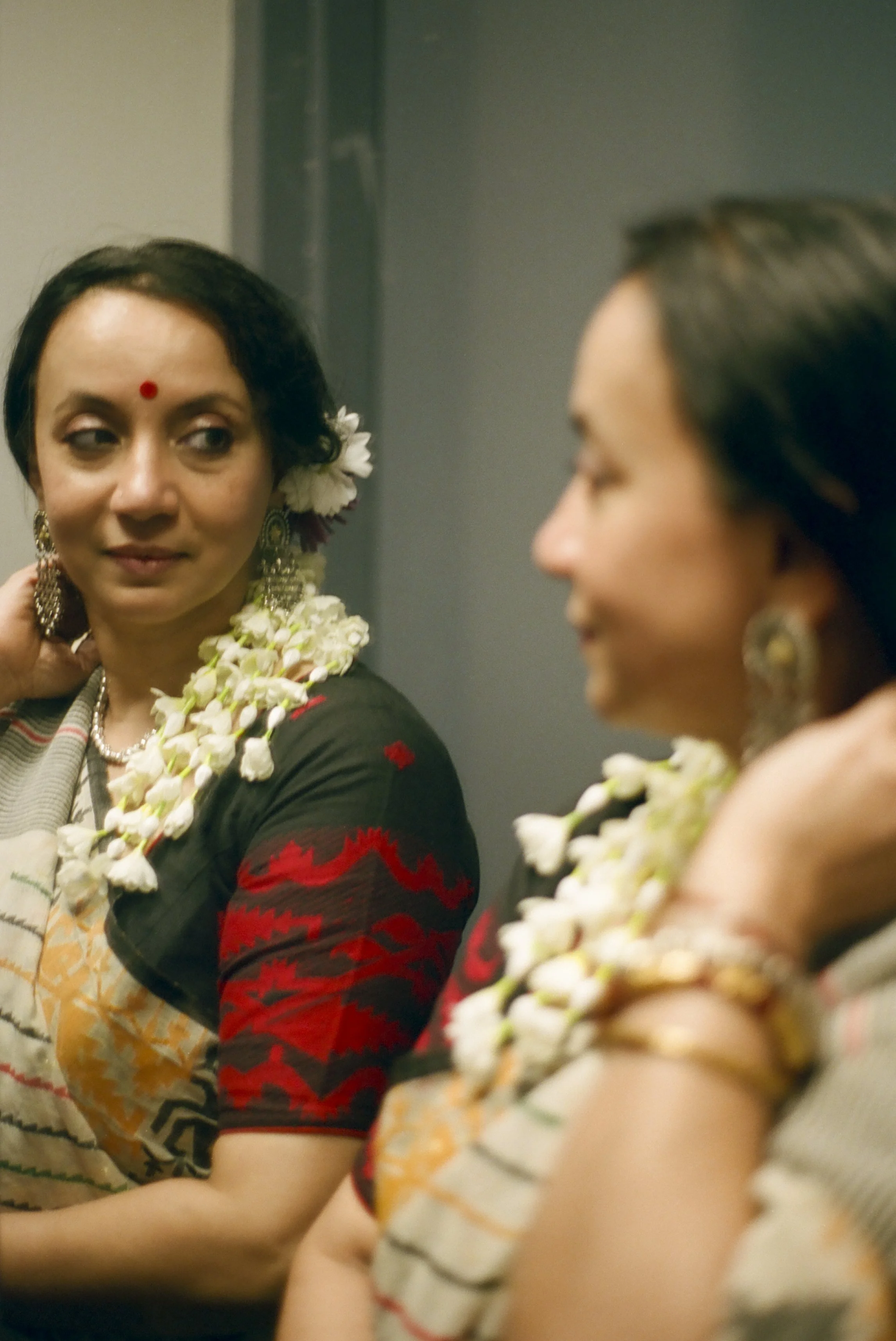
We opened a second location on 11th Street in 1995. That one was a big store, and my husband was busier with that one, taking most of the money from the first store and investing there. In 1997, one of our employees left and opened a store across the street, and was trying to hurt our business. He knew all about our customers and tried to convince them to leave. It was a crucial moment. I’d just had my younger son in May, and in November, I had to run the store full-time. Before that, I was coming and going. But I was always fascinated by color, by printing. I had that connection. That is the reason I learned so quickly. In the beginning, it was a challenge for me; I didn't even know what I was doing. It's like somebody drops this on you and you just have to handle it. And the store our former employee opened was burned in a fire in 2013, and they couldn’t salvage anything.
on community support in tough times
My mom lived here with me from 2001 to 2009. She had cancer, and she died, and then that same year, my husband had a stroke. My kids were still very young. I don’t know how I did it. When I look back, I feel like it's a story for the books, how I handled it. After that, I got shingles when I was 35. I felt something on my back. It felt like insect bites. I remember when I first felt that, it was a Friday. After my mom passed away, my younger son had started coming to the store after school. He used to go home, and his grandma would give him food, but after she passed away, he would come here and hang out until I finished working. Then we’d go home together. It was six o’clock, maybe 6:30 pm, and he was there doing his homework, and I ran across the street to Dr. Mary’s. I didn’t have health insurance, but I could talk to her; she was like a mother to me too. She used to stay open until seven o’clock. I told her assistant, Nicole, that I felt like I had something on my back, like insect bites, and that I felt like I wanted to itch, but it was also painful. Nicole asked if she could see, so I showed her, and she screamed. She called Dr. Mary and said, I think Mou has shingles. Dr. Mary came to look, and then she called Block Drug Store on 6th Street and 2nd Avenue. They were supposed to be closing, but she called, and she said, Carmine, Mou has shingles, you have to give her medicine. Don’t close yet. So, she wrote me the prescription, and I ran over there to get it. This is what I mean when I say that I have a community. She told me I had to stay home for at least three days. She said, you are only 35, you should not be getting shingles at that age. You are overworking and overthinking, and your body can’t take it. That day, I didn't have a fever, but the next day, when I woke up, the pain was so intense. My shoulder hurt so much I couldn’t even move. Then I knew it was something really bad. Dr. Mary understood, but I didn't even know what shingles was. I went back to bed right away. Thanks to her, I didn’t suffer as much as I might have.
on getting her kids a good education
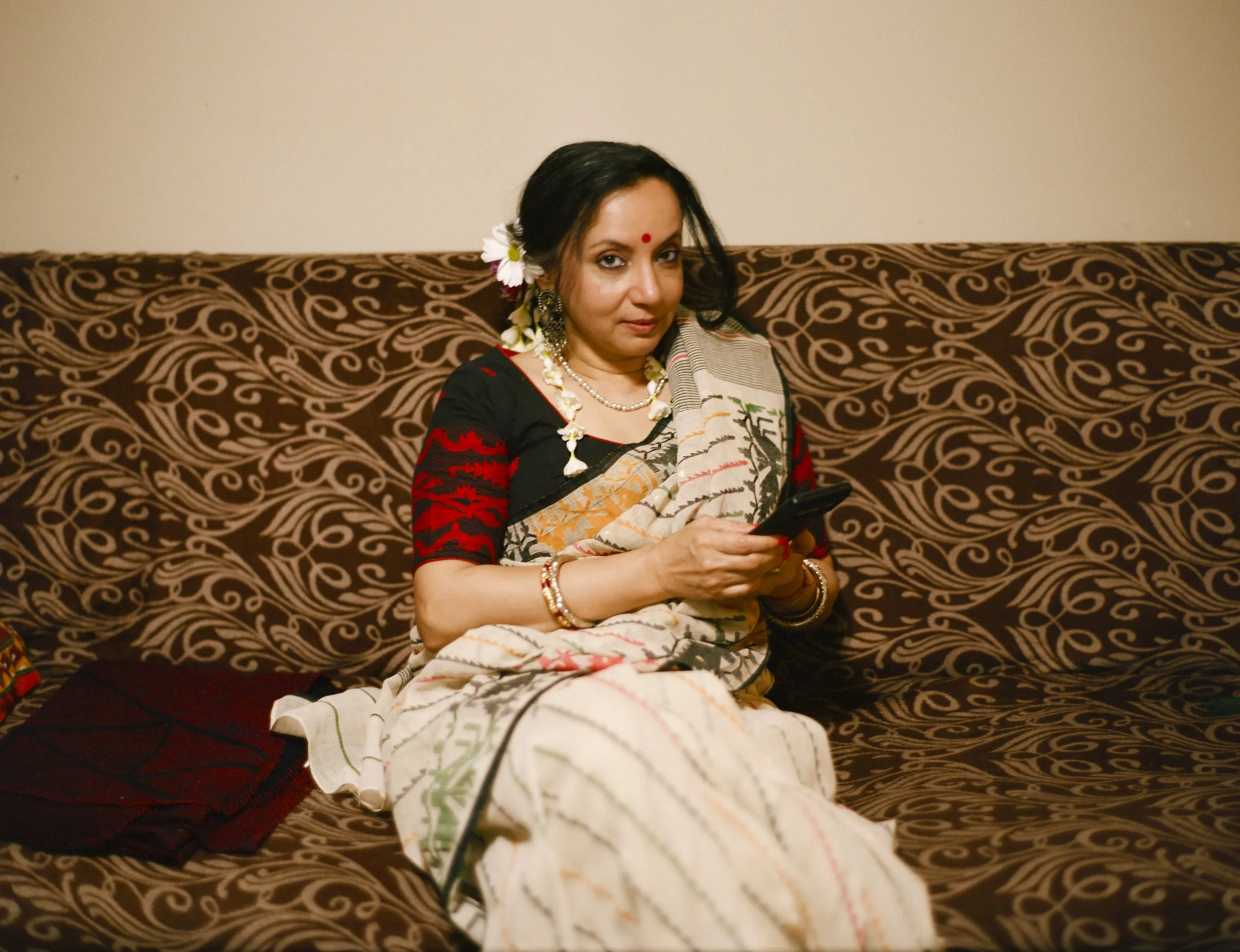
I have two boys, and I put all my effort into getting them an education and raising them to have a better life, rather than thinking about myself. I think most mothers in the world are like that. I remember when I needed to find my older one a middle school — it’s hard to find a good middle school in the city. The Board of Education wanted him to go to a new school nearby. I was really not sure what to do, so he went to that school for a year. I would go to the parent meetings, and I would tell the teachers that I wanted him to have more homework and that he needed this and that. They said they couldn’t allow that, and none of the other parents wanted more homework. I saw so many things there that should not have been the way they were, but I couldn’t change anything there. So, I decided to send my son to middle school somewhere else. I sent him to a private school because at that time, I didn’t know what else to do. It’s such an important stage; it’s the time when they’re growing.
With my younger son, I started figuring things out early. In third grade, he did very well on his first Board of Education exam, and so I asked the Board of Education for advice because I didn’t want to go through the same thing I’d gone through with my older son. They told me that he could try for a gifted and talented program. I sent my husband to NEST+m, one of the schools with a gifted and talented program, to try to find out if there were any seats available. We found out that they had two seats, and the kids had to take an exam to get in. It was a two-day-long exam, and so many kids took it, but somehow my son was lucky, and he got in. A lot of people are not aware of how the system works. You have to be curious, and you have to ask questions. I only figured it out because I met people through my business, and I could ask them.
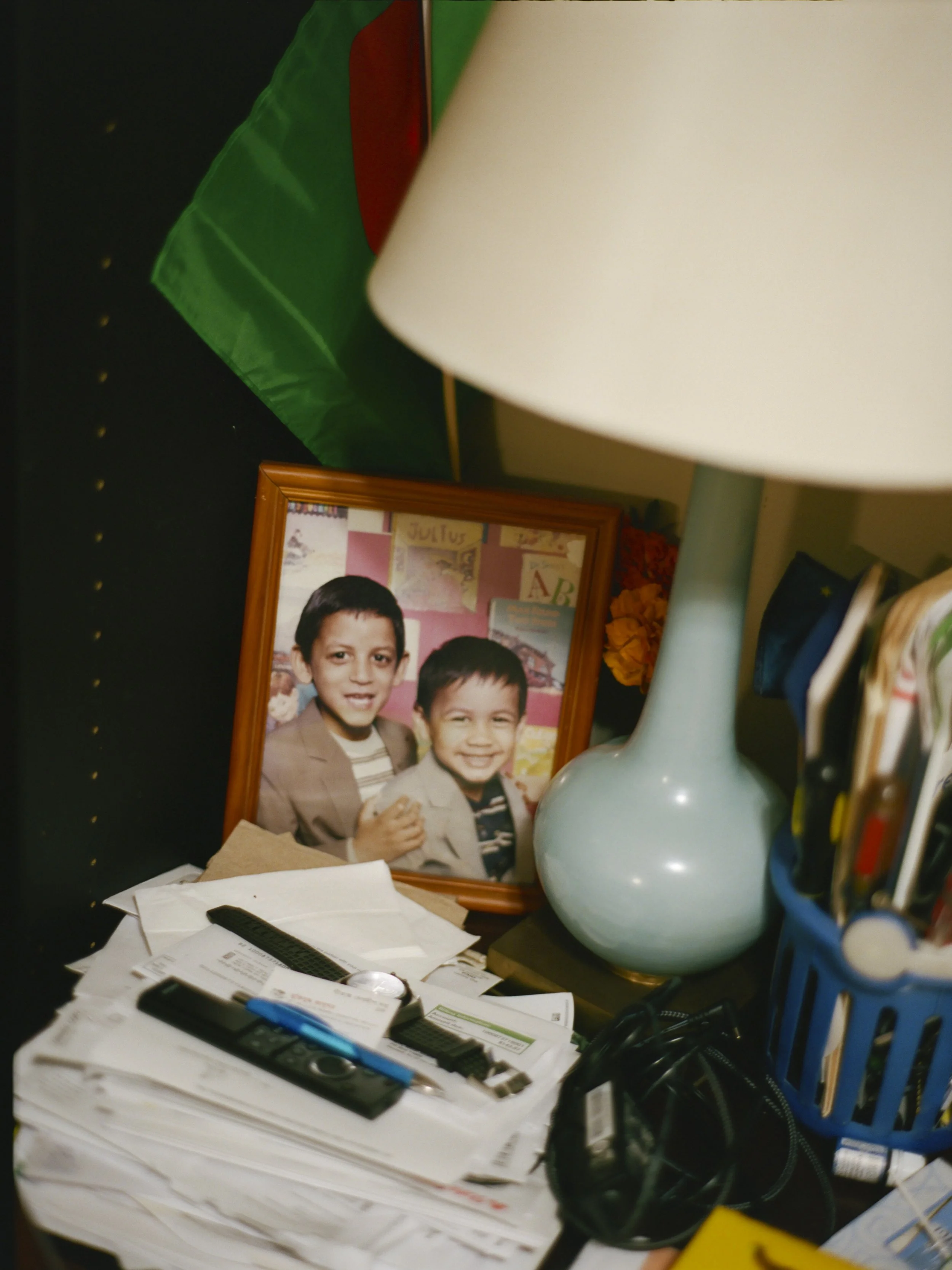
Now, both of my kids are established. My older one finished his Master's in international trade and business in 2018. The younger one is going to graduate with his MD on May 19th. I don’t expect anything from them, because you get hurt when you expect something in return. Love should be unconditional. If they are doing well, that would be my best achievement and the most successful story in my life.
on her plants
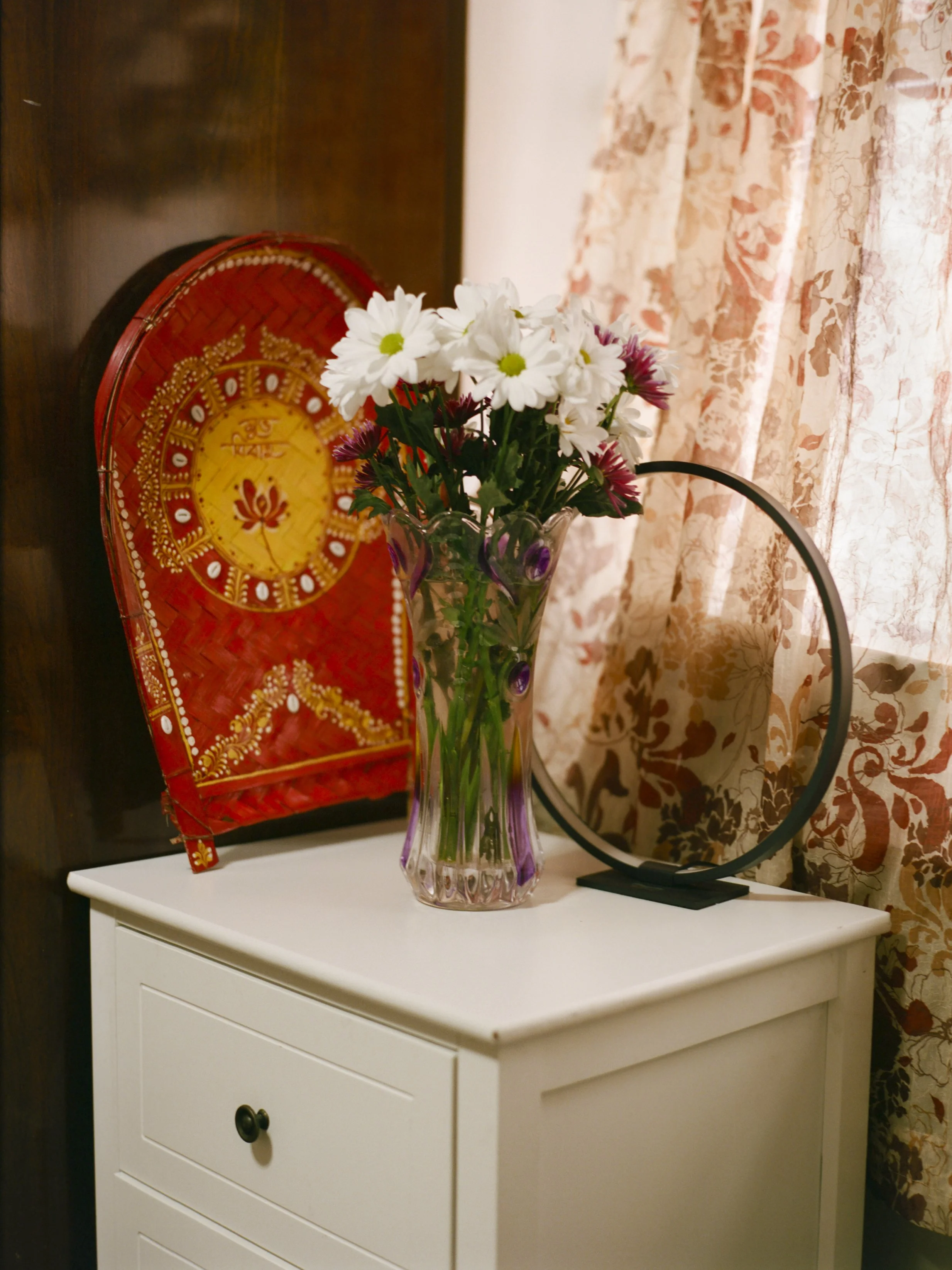
In Dhaka, I had a big garden, and I was really passionate about it as a child. I saved the tiffin money that my father used to give me and used it to buy plants. Now, I have my plants in the store, and I garden on the roof a little bit. Sometimes people ask me why I garden—I think maybe it’s because at work, I use so much paper and I'm killing so many plants. I need to give something back. Before my doctor friend passed away, she gave me some plants. She stopped practicing after COVID, and she gave me two or three plants from her office. She said, you are the one we will take care of them now. They’ve grown so much; I feel like she's also growing.
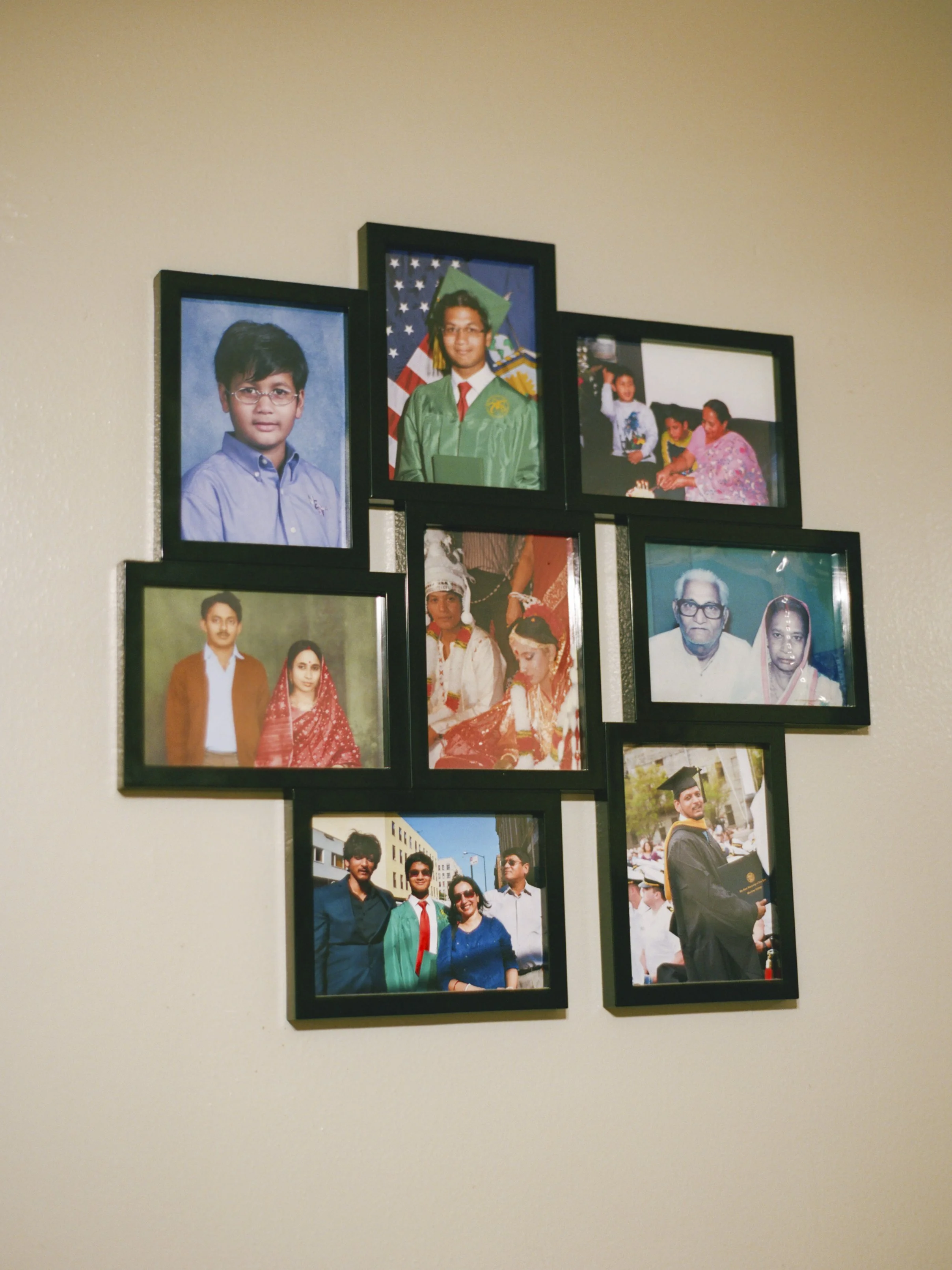
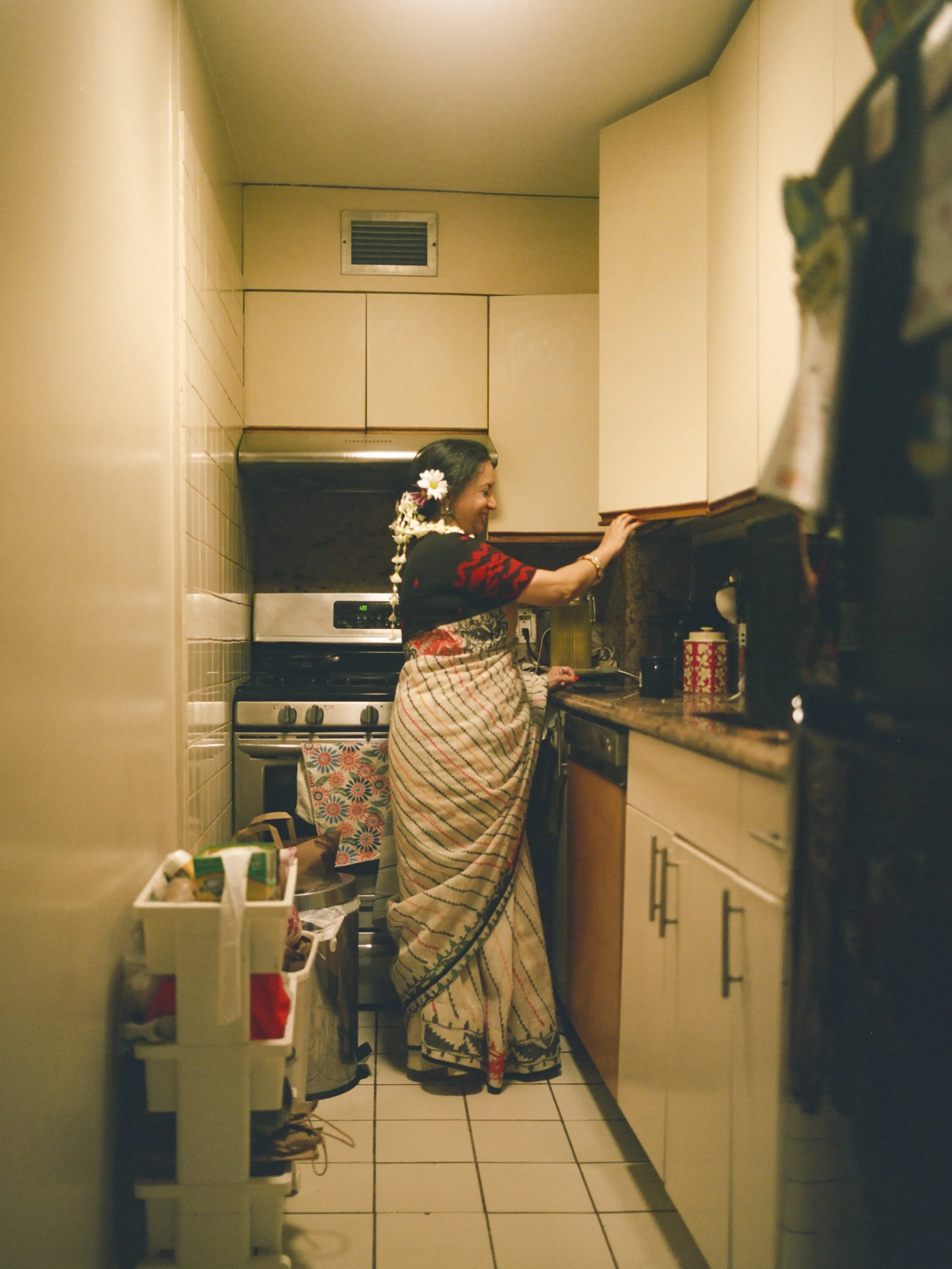
“I’ve always felt very connected with the goddess. I believe that women have inner power. Men have muscles that they can show off, but women have more power. You can’t see it, but you can feel it. Often, when you are spiritual, you can feel more than you see. ”
on deciding to close her shop
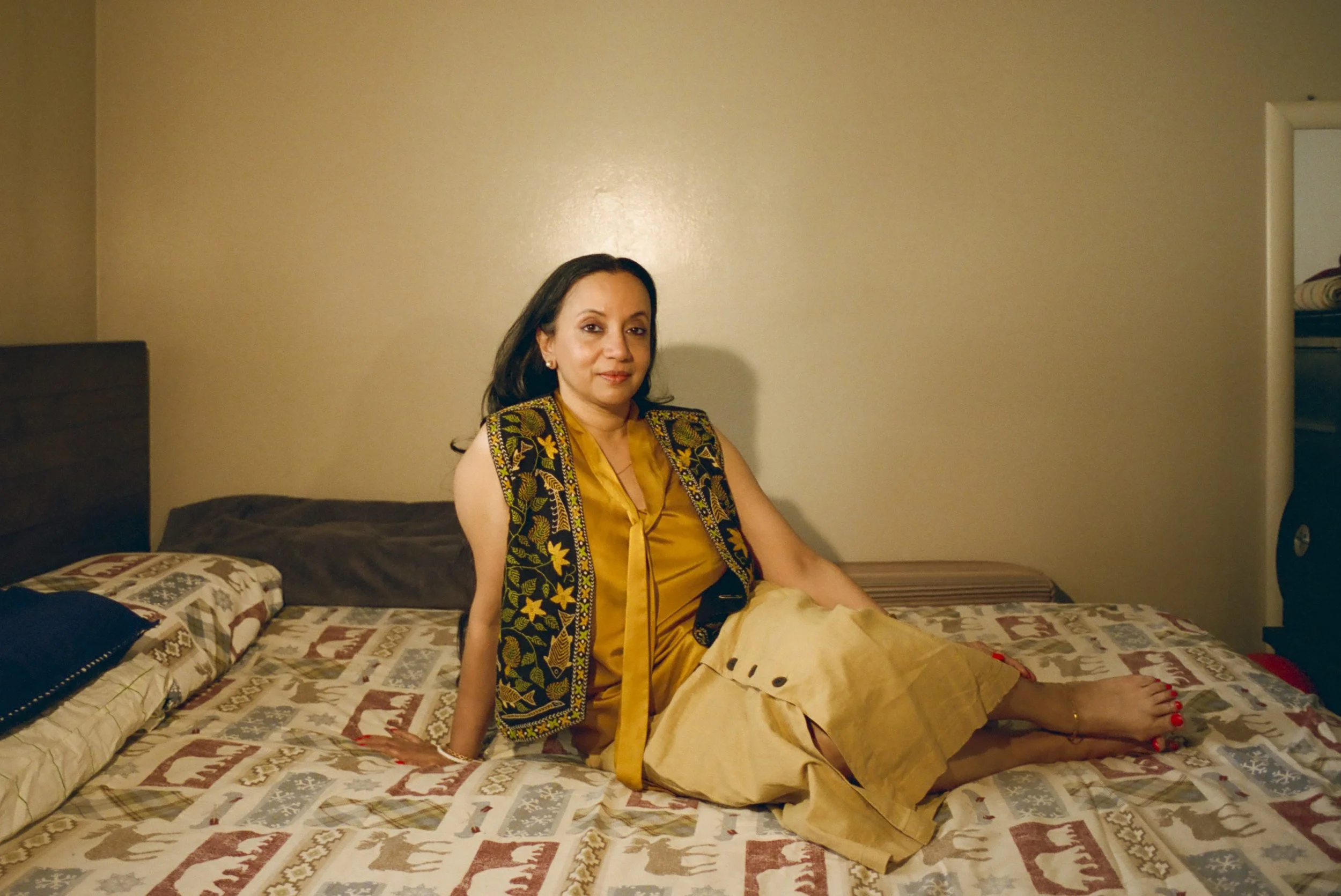
I’m going to close the shop soon. I’m trying to use up the stuff I have, so I won’t have so much left over when I close. I’ve been doing that little by little since COVID. We had so much paper from the other store we used to have on 11th Street. It was 2,000 square feet, and at one point, we had seven people working for us. At that time, there was a lot of demand. We had a basement to keep stock, and there was so much stock that I never had to order anything. My husband was in charge of stocking, and he paid the bills, but I don’t think he was aware of what he was getting and what he already had. When we moved the store to its current location, I took over that position. My husband officially retired before COVID, but he hasn’t worked in the store since 2013. He said he didn’t want to do this business anymore. He didn’t even want to open the store we have now. We had some money from real estate, and our younger kid was almost done with college, so he thought that would be enough for us to get by. But that wasn’t what I wanted. I told him that if he helped me get set up at our current location, I would take care of the store. So, he helped me bring everything here and set it up.
It's not easy to let go, especially when you have something that’s like your child, and you nurse it every day to build it up. My husband was telling me to sell the business, and I said no. I'm not going to sell the name. This is what we created, and I don't want somebody to make it worse — or who knows, maybe they could make it better. But I want to keep the name as a record. This was an achievement. No matter how difficult it was, day by day, every single day, I took care of my plants, I took care of my business, I took care of my kids. I don't know what I'm going to do next. I would love to go to school part-time. Maybe I’ll go to the museums and Central Park.
on visiting dhaka as an adult
When I came to this country, I was 22, so I’ve lived here longer than I lived in my country. I feel like I was in a cage in my country. When you are in a cage for 22 years, it makes you really grateful for the freedom here. I’ve gone back to Dhaka a couple of times. I went in 2001 to bring my mom back here, and then I went in 2015 and 2016. But even when I’ve gone back there as an adult, I still have to have somebody with me to chaperone. It was never very easy. I got married early because of that.
I think about my grandmothers — at least the life I have is better than theirs. They didn't have any vision for their lives. They were homemakers, and even though they could do so many things, nobody appreciated them. I could not imagine doing what I do here in my country or getting the appreciation I get from the people who come to the store.
on her reading habits
Things have changed. When we started, we didn’t have a computer. We had one at home, but only for financial stuff, like doing data entry. I used to come into the store and do my puja, and I had a small tape player to play a song in the morning. And I was reading more books and magazines, and we got the newspaper delivered every day. We found our apartment from an advertisement in the Village Voice. Now, I read more articles online. It’s easy to get distracted. I read a lot of political things, I feel for my country, and I want to know how it’s moving forward and what’s going on. But I still read a lot of books. I think I get it from my mom. She read all the time.
“More and more, I see people becoming so closed off that they stop seeing love. They stop seeing giving. It’s just take, take, take. And I think — when you live only for yourself, you miss everything. The plants, the community, the people who walk you home. That is the whole point of being here.”
on her sense of style
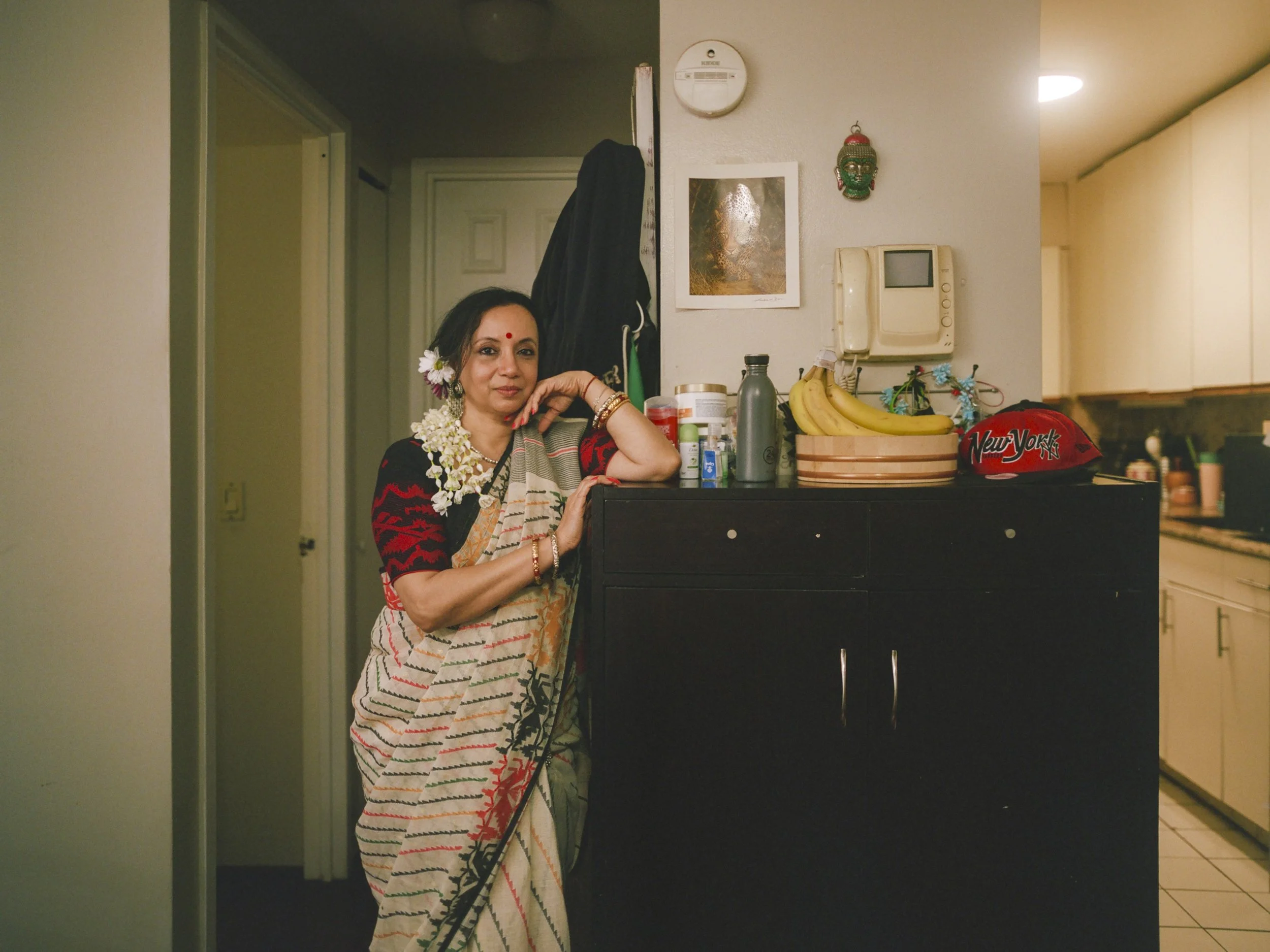
I think being fashionable is mostly about choice — people like to think about different things. I like to think about color. People are always giving me saris and things like that. I have so many different kinds of things, Indian saris, kuppis, and different kinds of cloth and scarves. It's impossible for my small apartment to fit it all. I don’t really buy high-end things. I love the color and the vintage fashion, the color and the fabrics. I love the most from the old days. I can't wear synthetic fabrics. It gives me a rash on my sensitive skin. So, I only wear cotton and silk. And now, at most places, you see polyester. It’s almost impossible to find something new that’s 100% cotton and has a nice design.
on her mother’s sewing machine
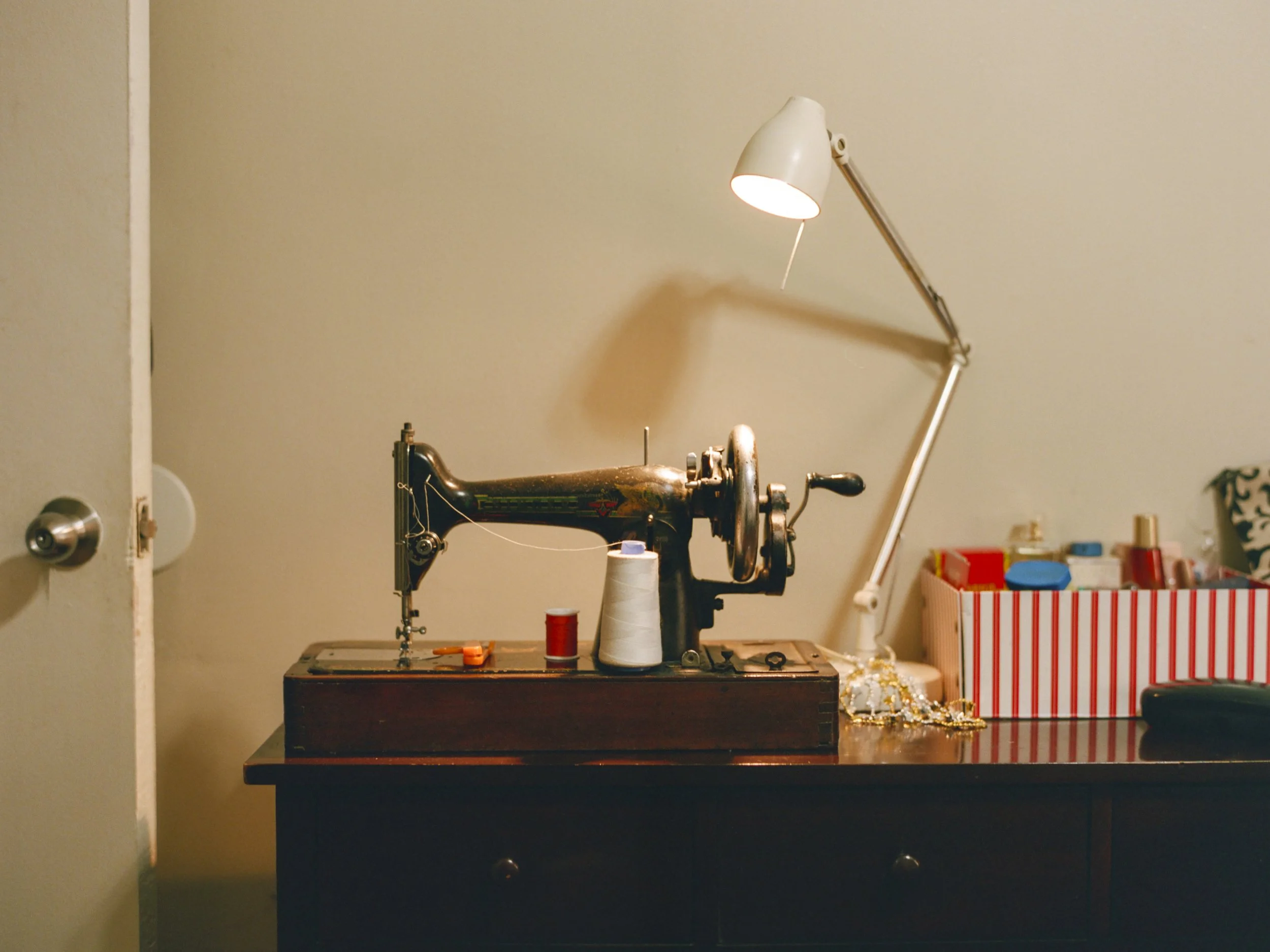
When I was growing up, I loved making dresses. I mostly made dresses for my dolls, but I made some for myself, too. I used my mom’s Singer sewing machine; it was a gift from her dad when she got married. She actually brought it all the way with her here when she came to live with me. I still have it. When she was still in this life, I told her that we should think about getting a new one, since that one wasn’t working so well anymore. But she was never one to give up. After she passed away, I felt so connected to it. Now, I feel like this is the machine I used in my childhood, so I can never give it up. I could buy another Singer, but I wouldn’t have the same emotional attachment to it. During COVID, my son had to go to work, and all these other people needed to go to work. They needed masks, and there were no masks at all. So, I started sewing masks. I gave them to my son, to my friend the doctor, I sent them to my uncle in Canada, and I gave them to my brother.
on her beauty and health routine
I’ve never had time to be in the beauty parlor. I actually cut my own hair. I oil my hair sometimes. I like to use coconut oil. I’ll put the coconut oil on overnight, and sleep with a towel under my head so the oil doesn’t get all over the bed, and then in the morning I take a shower. In the wintertime, I don’t do it because coconut oil makes me feel like I have a runny nose. I donate my hair sometimes.
I have very sensitive skin, so I can only use Dove. I don't even try anything else. For a long time, I didn't know that I was so sensitive, so I was using other things, and my skin was getting so dry. Then, when I first moved to this country, I met a guy in the store. The first day he saw me, he said, I don't want to know your name; I will call you Rani. Rani means queen. He knew so much. He was always reading the encyclopedia, and that was good for me; it helped me with my English. At the time, I was having dandruff and adult acne, and he told me that he always used Dove, so I started to use that. My mom used to use Vaseline, and I still use that too. I don't like to try other things because I don't know how my body will react. I stick with the things that I know. Most of the time, I forget to use sunscreen, but I use it in the summertime because if I don't use sunscreen in the summer, I start to get a rash. Last year, I had hives from the heat. I can't take the sun. I can't go to the beach. I’m that kind of person.
I try to remember to take vitamins, but it's hard. I always get my vitamin B12 shots because of Dr. Mary. My parents had a deficiency, so Dr. Mary gave me some pills. I was taking them, and my levels were not going anywhere. She told me that some people don't absorb it from food and pills, so you have to get the shot. She started giving me the shots, and I asked her how long I’d need them for, and she said, as long as you live. The doctor I have now is like a father to me. He actually practices across the street from my home, and when I need to go in, he’ll stay after six o’clock for me, so I can go in and get my shot, and sometimes we’ll go and get something to eat.
mousume’s favorite spots in new york city
In the city, I love to go to the High Line to walk. Now it has a more commercial look, which doesn't give me the same feelings as the old High Line.
Café Mogador and Hampton Chutney Astor Place.
I mostly go to Jackson Heights for Indian food. My husband and my son like to have samosa. There’s also a place in Jackson Heights that has chicken and rice; it’s not biryani, it’s milder. It’s served with yogurt.