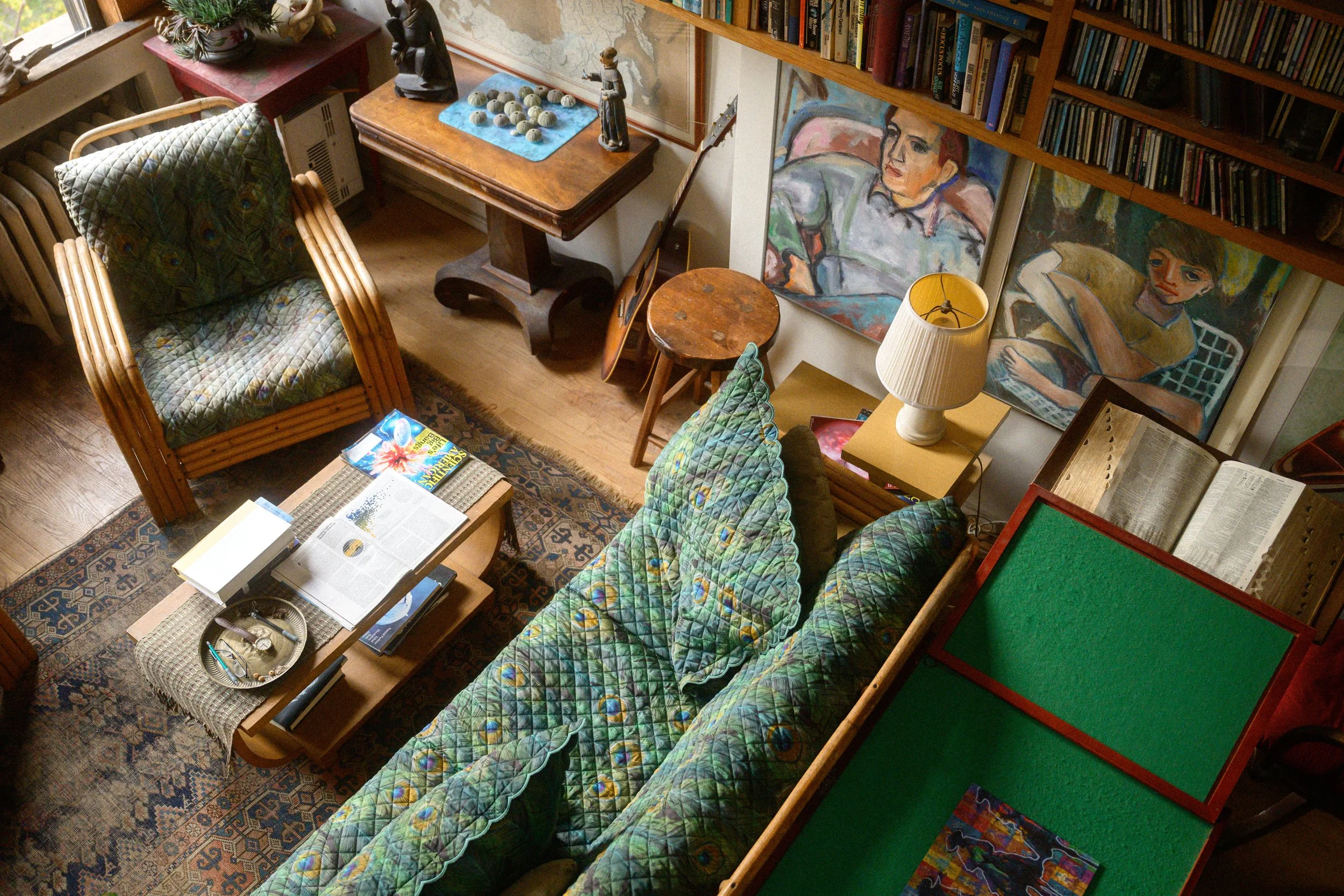
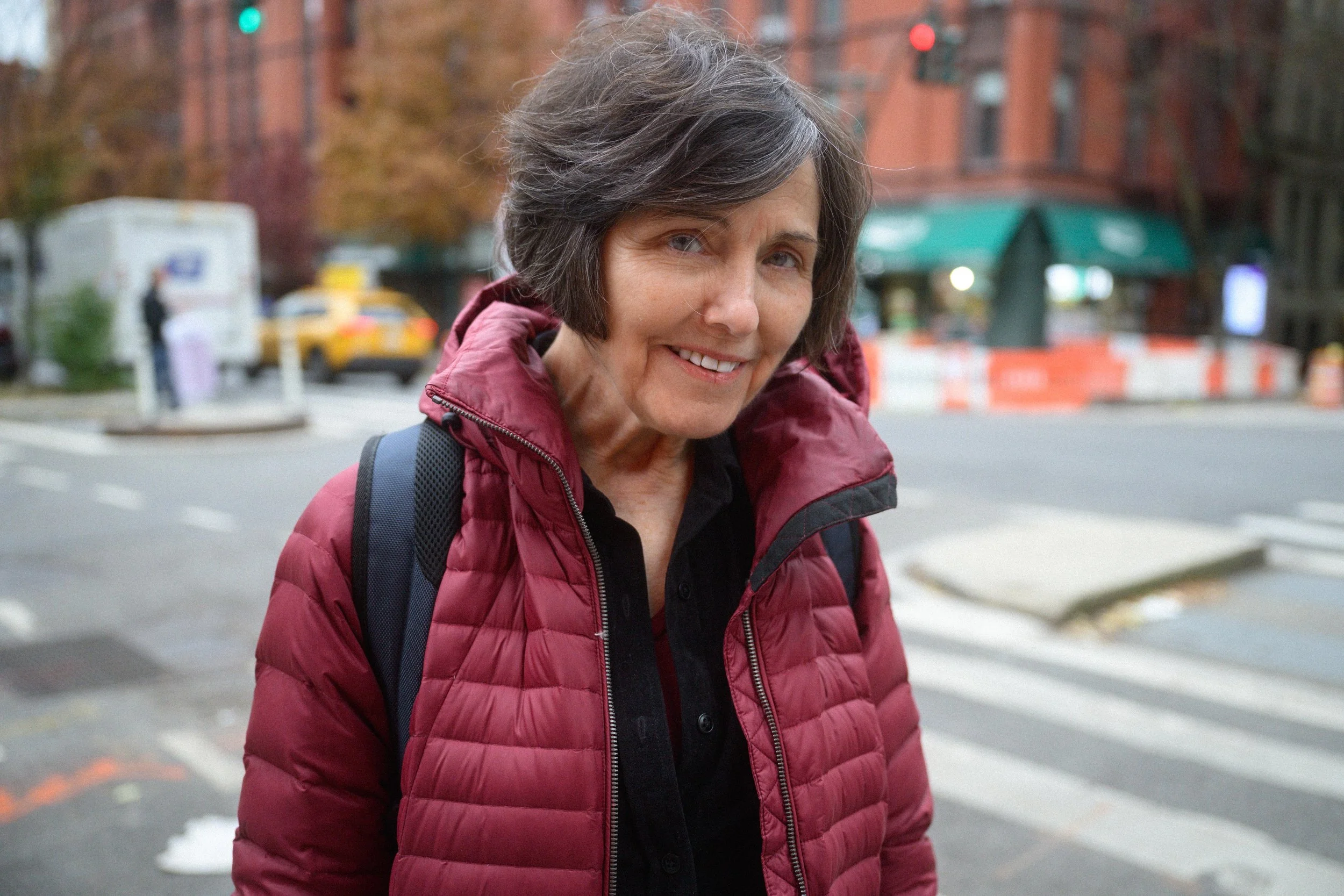
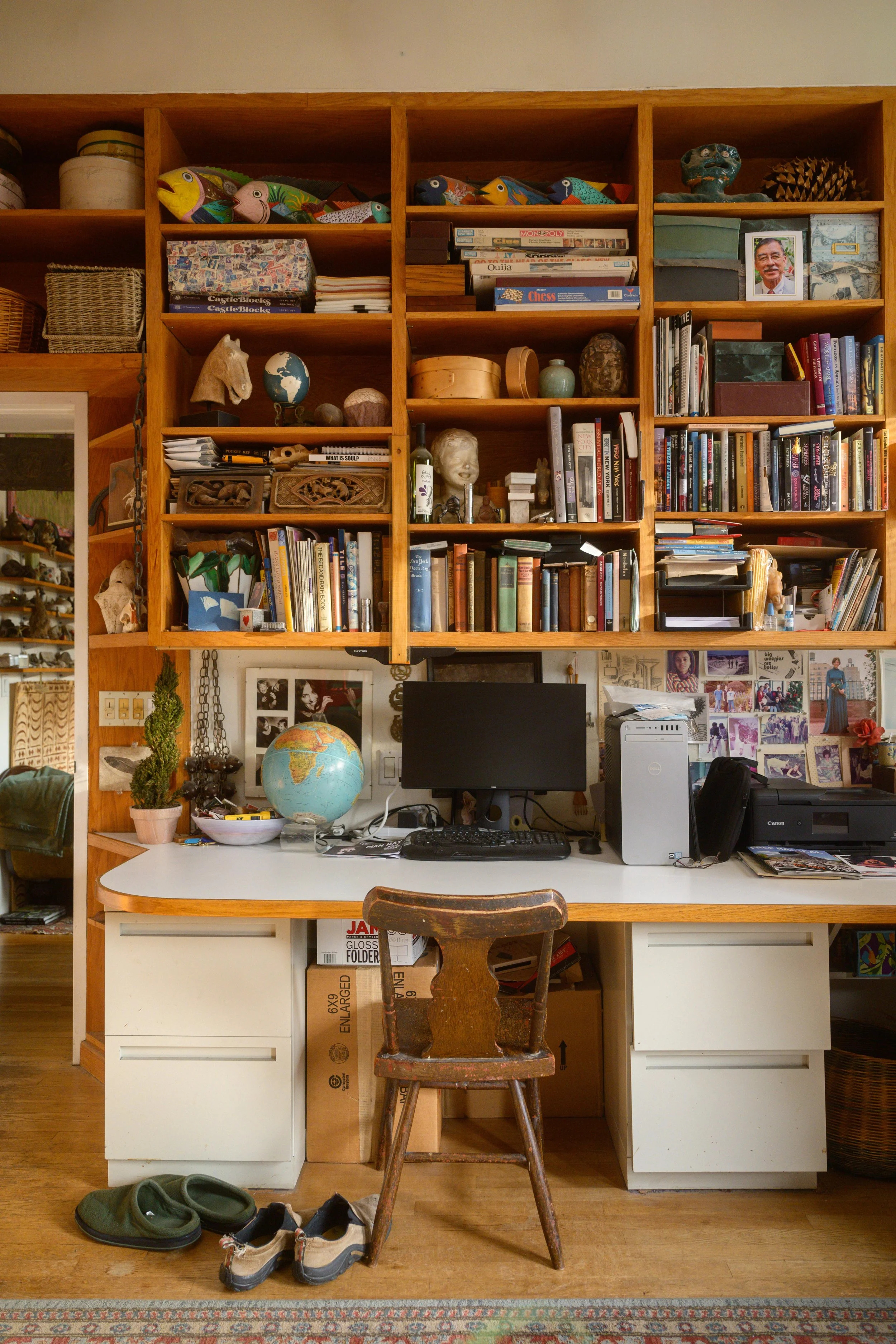
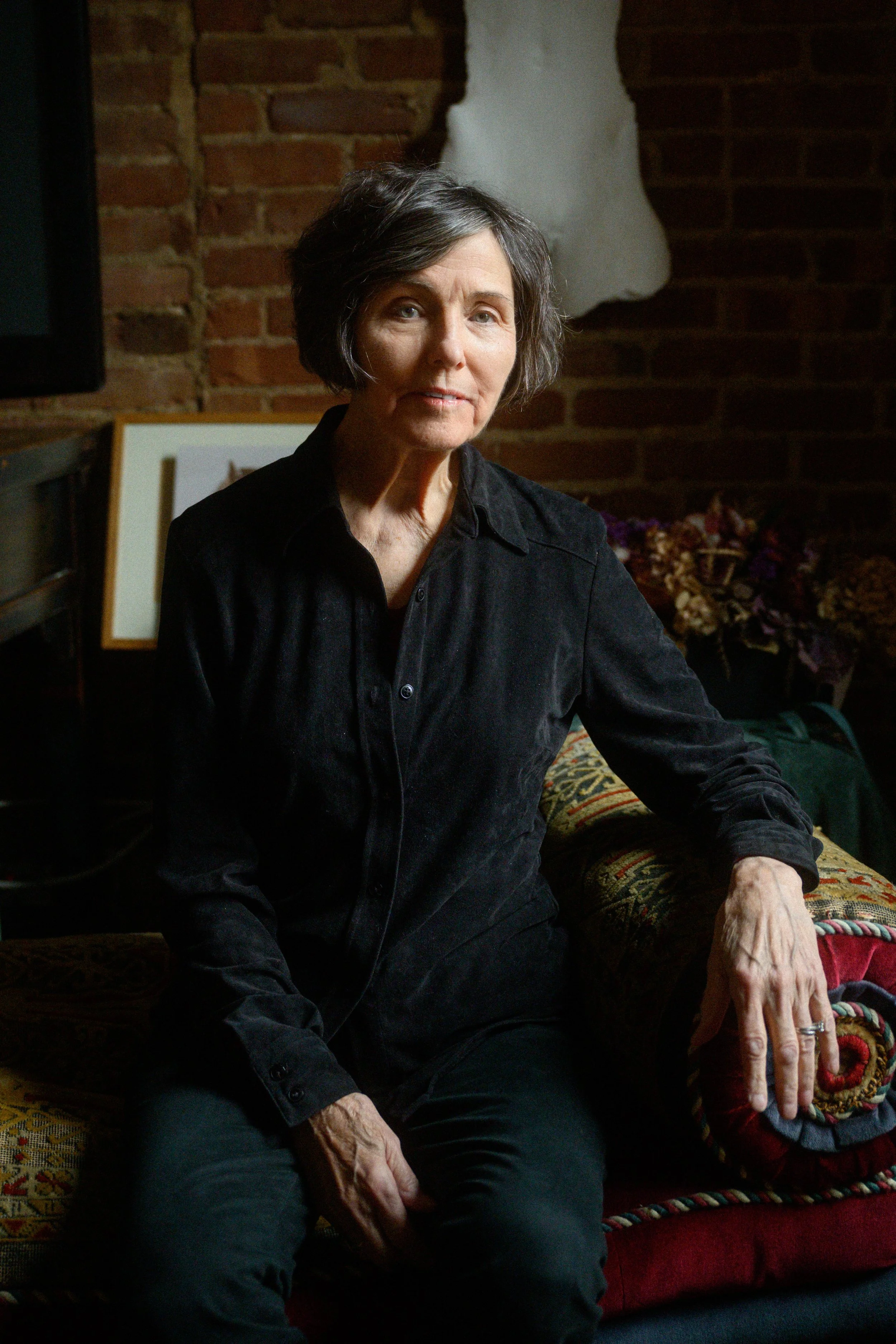
Rita McMahon values her time in the natural world — you’re most likely to see her on a walk in the northern reaches of Central Park, where it’s wildest. That’s when she’s not tending to the birds she cares for as the founder and Executive Director of the Wild Bird Fund, New York City’s only wildlife rehabilitation center. We met up with Rita in her Upper West Side apartment to talk about getting lost, discovering a lost Velázquez painting, and the time she stabbed someone with a pencil in a meeting.
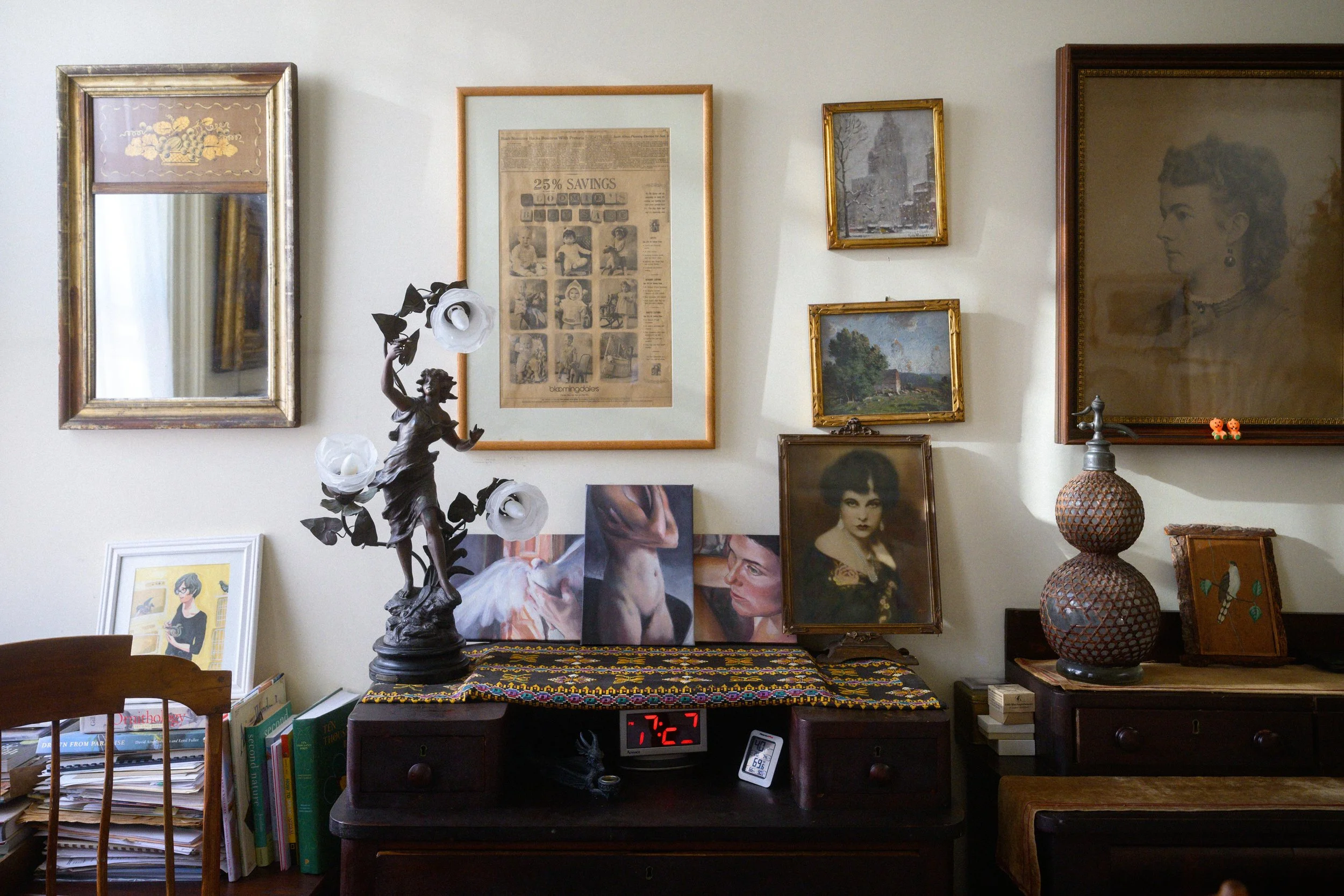
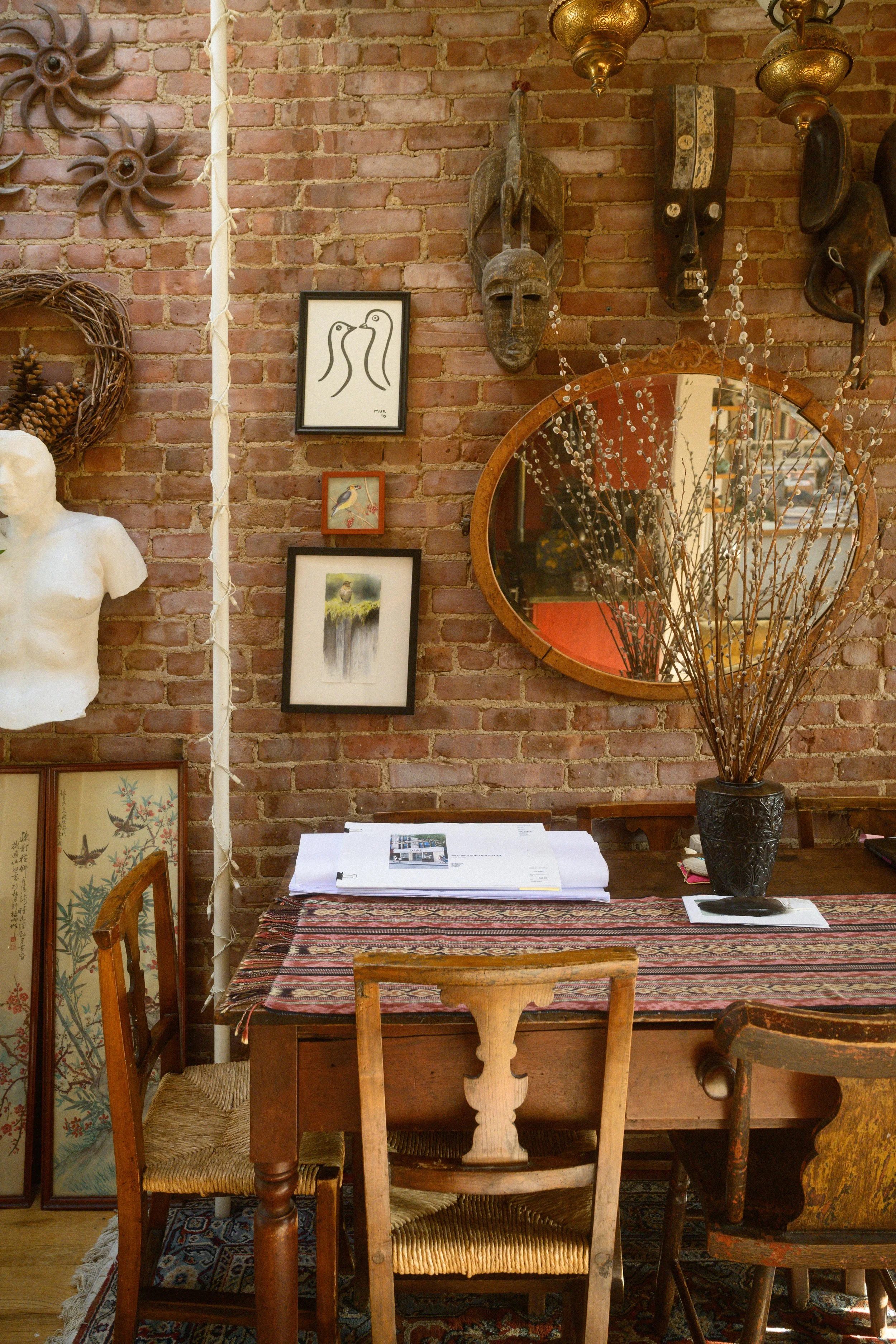
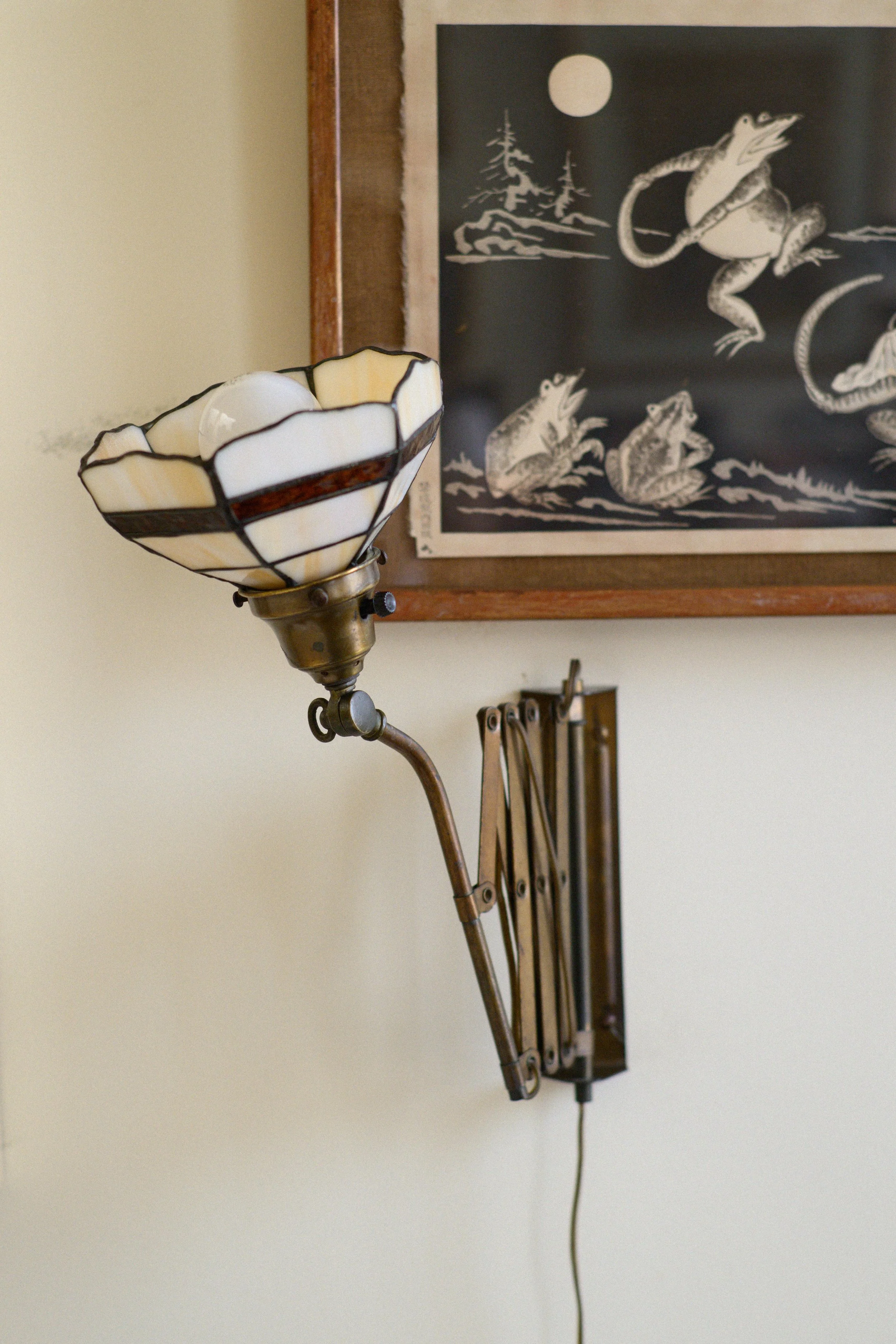
on her morning routine
My husband Peter wakes up an hour earlier than me. To wake me up, he comes and massages my toes. It is a lovely way to wake up. I had shoulder surgery recently, and he’s also there to pull me up by my good arm, so that I don’t hurt my shoulder. I have to get up at about 7:00 am so I can put together feeding and medication charts for the Wild Bird Fund, and Peter has been helping me with that too. We have to print them, sanitize them, and put them together. When there are 500 possible indications as to what the 500 patients need, it’s a lot of charts.
After that, I check my emails and it’s on to whatever fire needs to be put out. I also have to feed the animals that I have in house. I take home cases that need special handling, like birds with trichomoniasis. They have a parasite in their throat that will go away with enough medicine, but in the meantime, you have to insert a tube down their throat and into their crop in order to feed them, and if it’s not done right, they’ll bleed to death. Right now, I have two trich birds in the house, plus one with pigeon pox.
on learning to be handy
When I was very young, I lived in New York City. But we had a yard in Queens that stretched from one avenue to another. My parents were both horse people and they both really liked the country. My mother always wanted some land to go with her house. We moved to northwestern Connecticut to build a new house on the top of a remote hill. My father would grill me on plant names, and we would go hunting for frogs together, just catching them and putting them back. He was a pre-stressed concrete engineer. He had a work bench in the basement, and he let me do whatever I wanted. Hammer, saw, all that. It was great. There weren't power tools then, so it was pretty safe. You get handy about different things and then you're not frightened by it.
My father was out of the picture by the time I was seven. My mother took me and my sister and left him. After renting two homes and working two jobs she bought our first house. The backyard opened onto a pasture with cows in it. A horse stable and a vet were across the road. My mother did a couple of different jobs. She had really signed up to be just a mother, but she had a good financial brain. She worked as a bank teller, then mortgage officer, state bank examiner and as treasurer at Cazenovia College. My sister got married when I was thirteen, and after that, it was just me and my mother. She would buy a house and we would fix it up and sell it. We did three or four different houses that way. Once, we even had two houses going at the same time. I was her main laborer.
on getting lost
You couldn't see another house from the house I lived in growing up. Generally, I could find my way back when I went out walking, but I've always really liked the prospect of getting lost. I like the idea that you're in a place where you don't know which way to go, and then you can look at the trees and figure out which is north by where the moss grows, and go tree by tree by tree on a straight line as best you can so that you don't go around in circles. I had a property once, 50 acres, and it had a marsh on it, and twice when I went walking on overcast days there, I got lost. Both times, happily, one of my cats came to get me. I was calling out and calling out, and the cats came and stood on a hummock, and their meowing led me out.
on her first jobs
I worked from the age of 10. Every day, I waited for my mother to finish work at the bank, and then we’d walk home. So, while I waited, I did an errand service at no charge; I just took tips. A friend of my mother's made business cards for me and I ran all over this little town and gave the cards out. If people wanted coffee or things like that, I’d get it for them. A jeweler really took me on as their errand person and I was so thrilled. I’d be carrying a box with, I don't know, $200 worth of jewelry and taking it to the post office and getting it mailed via certified mail, all that stuff. At age 10. I felt on top of world. They trusted me. It was great. That was my first paying job. We were quite broke, so it was fabulous. After that, I had other jobs. I was always babysitting, doing gardening work, being hired to be a companion to someone who was sick. My mother, my sister, and I all worked at a place called Conn's Dairy, as waitresses, as cooks, as different things. There was a gas station just next door to Conn's Dairy, and I did bookkeeping for them when I was about sixteen. I was always hustling.
on working with the local vet
When I was 12, Dr. Bayard, the vet who lived across the street, was looking for kids to spend the night in the barn with a new foal who had cracked a bone in its leg. We couldn't allow that foal to stand on its leg while it healed. I mean, what a joy. I fell asleep with my arms wrapped around the foal's neck. It was just a crack, so it didn't take that long for the leg to be stable enough, but after that, I continued to be connected to that vet. When a wild animal was injured, he would attend to the medical need and then he would give it to me and my mother to take care of. So, we had a little rehab center — it would be a cotton-tailed rabbit who’d survived after a horse stepped on its nest, baby robins, baby blue jays, a chipmunk that a cat had attacked, those kinds of things. Not in great number, just a few. And it was wonderful.
He also had me assist him at that young and tender age. I would do the anesthesia for his patients. But when I watched operations, I would faint. I fainted and hit the concrete floor three times. Eventually, he called up my mother and said, I'm so, so sorry, she's very good, but she can't work here anymore. And she said, that’s okay, I don't want her dying because she hit the floor. He goes, you don't understand. She would have been the third one I sent to vet school. He had no children, and so he took interest in the young people who were interested in animals, and he would have sent me to vet school. So, then she comes to me and goes, can't you stop fainting? You could be a vet. But I couldn't control it. Later in life, I went to a conference, and they were doing necropsies on all these animals. The instructor said, if any of you feel queasy and don't want to watch this, you can go to the back. And I went to the back. Everyone back there was a director of their facility. One of them said, it makes me nauseous to watch someone else doing this, but I do it all the time. And I realized that was it — it's not in your control, and you get upset by that deep inside. Just like how, if you’re someone who gets carsick, you don’t get sick when you’re driving. That was a breakthrough for me. Seeing an animal just totally knocked out, and having their care be out of my control, that's what made me faint. Or maybe I just didn't have the guts then. I'm fine now. I go right in there. And I can watch other people do it; I’ve assisted in a lot of operations.
on studying art history
I was an exchange student in Denmark between high school and college. Denmark opened me up to art and architecture. I was accepted by the University of Aarhus, and that would’ve been free tuition, but my mother wanted me home. So I went on to college back in the States and I decided to study art history. I took biology and they really wanted me to major in it, but I was more excited by art history. In high school I’d been part of a study group, and we got mimeographs of new textbooks from Princeton. We were like guinea pigs for the new math and science. I was very fortunate to be in that group, and I felt like I already had a good background in science. Art history was this exciting new thing I was discovering.
on discovering a velázquez painting
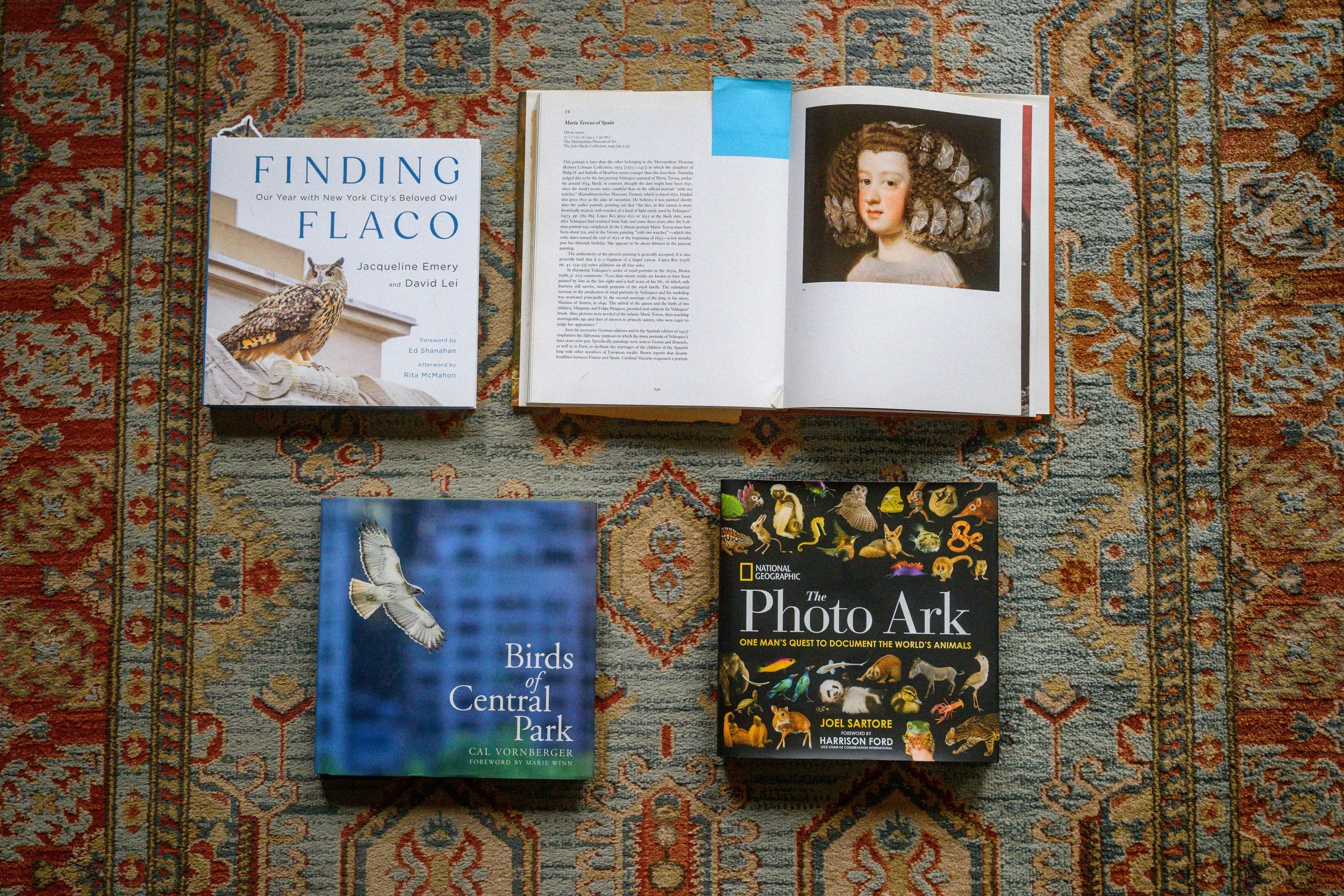
After college, from 1973 to 1976, I went to graduate school at the NYU Institute of Fine Arts, which is right on Fifth Avenue at the Duke Mansion. It’s lovely. While I was there, I was also working at Sotheby’s. I made one rather bold move. I was in a seminar, and I was assigned to write a catalog entry for this painting. Everyone else knew that this painting was not by Velázquez, it was just from his school. But I was a first-year student and wasn't privy to such things. So, I studied that painting. They left me alone with this little painting all the time, with no guards, nobody, because it was a piece of garbage in their opinion. I studied every Velázquez in the city. I studied his work. I studied his technique. Then I wrote my report and I attributed the painting to Velázquez. My professor, Jonathan Brown, goes, if you don't change that attribution, you're failing this course. But I couldn't change it because I truly believed it was by Velázquez and I couldn’t stand to lose a Velázquez. There aren’t that many, especially not in the United States. It was a moral imperative — I could not lose a Velázquez. I could not change the attribution. So, I wrote a note saying that, morally, I could not change the attribution and I submitted that with my paper. When grades for the semester when up, I had no grade from this seminar. A month after grades went up, I still had no grade for this seminar. Then, I got a call while I was manning the switchboard at school, one of the old-fashioned ones where you plug stuff in. It was Professor Brown, and he goes, can you get to the Met in 10 minutes? So, I went. The guards met me, and they walked me and this painting over to the Lehman Collection on the other end of the museum. The professor and his assistant were in a private room with two Velázquezes on the same subject as my little painting. And Professor Brown goes, present your argument again. And I did — you know, this is how Velázquez puts down the bottom layer, this is what goes on top, etc. When I finished, he said, thank you for showing this painting to me through your eyes. And so, they cleaned it up and Maria Teresa of Spain is gorgeous.
on staying active
I always loved to dance, and I loved horseback riding, so I was very strong and active. Even in college, I stayed active. I had a grand scheme to finally get a summer tan, because I’d never gotten one; I was always working. So, I thought, okay, become a lifeguard; then you’ll be out in the sun, and you’ll get a tan. Unfortunately, every job I got was for indoor pools.
I had a figure drawing class in college. It was so awful, so terrible to be trying to draw a lazy, uncaring model who didn’t move. She’d move one arm or something. It was gesture drawing, we were trying to get gestures — that means movement, action. I just couldn’t stand it. I felt it was a waste of time, even for me, who wasn’t an artist. It was boring. So, I volunteered to model, and I brought that physicality to it.
on her career in television
After that Velázquez discovery, I was given a Ford Fellowship. I was a Ford Fellow, but I was a Ford Fellow on food stamps and Medicaid. I did three years there, then I lost the fellowship because I wasn't publishing. I went and I walked down the street, saw a new shop, went in, and offered to be their florist. I did that for five months. Then I went on to NBC as a file clerk in their research division. I got good at what I was doing, and I started leading focus groups. I ran their pilot season. Then the programming division grabbed me. I became the youngest programming executive in network TV at that time. Paid the lowest rate, at the lowest level, but just the same. I oversaw the soap opera The Doctors. It was a very tense time. There was a consultant who worked there, and he would always say, I was doing this before you were born. You're too young. You don't know what you're doing. Blah, blah, blah, blah, blah, on and on, always tearing me down. And I came up with this idea, and I told him about it. He said, this will never work. This will never, ever work. This is terrible. But I also told everyone else my idea, and they were encouraging. Then, in a meeting, he presented my idea as his own. When he did that, I stabbed him in the hand with a pencil. And nobody said anything. Then that idea of mine got the show the highest ratings it had in fifteen years. That was an accomplishment, like the Velázquez — these are moments you hold onto, the little gems of your life. Then I moved back to research, because I didn’t like being a programming executive.
on finding your wild, wherever you are
In our present lives, 80% of the population lives in cities. We’ve lost contact with nature. There's a Japanese concept called forest bathing. It just means going someplace in nature. There’s been quite a bit of research on it, and it has been proven to be very healthy for people. Try to spend 20 minutes outside in the wild, whatever your wild is — if you're in a city, go to a park, go play with your dog, just get out and be there in the natural environment for 20 minutes. That's a forest bath. For me, that’s a walk in northern Central Park, up in Harlem. There are fewer people and wilder places up there. There are also other parks in the city that are truly wild. Inwood Hill Park still has original forest that has never been cut down. At the highest point, it was too hard to log there, so you still have old-growth forests. We have 50,000 acres of parkland and abandoned land in the city. And because of that, we have more diversity of species in New York City proper than any of the surrounding counties, which is surprising to people. There’s so much to explore. That’s the nice thing about New York City. In my family, on Christmas and Thanksgiving and on our birthdays, we go off to explore a new area in the city.
on deciding to have a child
After teaching swimming to so many kids over the years, I was like, I only like a third of them. How am going to have a child? I was never gaga for kids by any means. But at some point, I had this desire. When I hit 36, 37, I was thinking, oh, I don’t have too much more time left, and I knew I wanted to do it. A friend told me how much money I would actually need to be able to afford it, including hiring a nanny and all the additional costs. I didn’t need a partner. I went seeking potential donors. Two of the possibilities were gay friends, two of them were ex-boyfriends. It was the fifth one ended up being my son Lincoln’s father. I was in the Millionaire's Dating Club, and I met him there. I was distressed with my mathematical score on the Club’s personality test. I said, this is wrong, this isn’t a good test. I’m off the charts. He was impressed by that, and he pursued me. I wanted a child with no strings attached, and he agreed. But he was really hoping for a relationship with me. So, we tried it. We moved in together, but it didn't work out. It’s fine; we get together all the time; he's a good father and we celebrate Lincoln together.
on finding a nanny
I knew one thing for sure; I was not going to be happy being defined simply as a mother. I needed other definition. The fact that I recognized that was a very good thing. So, I got a nanny. Actually, I sponsored her immigration from China. I’d bought a series of Chinese detective novels, the Judge Dee Mysteries, to turn into a movie. While I was in Shanghai making that deal, our translator, Jumbo, was very good to us. He told us what people were really saying in our discussions and he advised us along the way. At the end of the trip, he said, I've been accepted to Columbia Law School, but I can't go unless I have a sponsor. And I said, let me see what I can do. So, we sponsored him, and he came, and the deal was that his wife, Jenny, would come with him, and she would be Lincoln’s nanny. It worked out so well. She was so devoted to him. She was a documentary film editor and had won tremendous awards, but they wanted out of China. It was very well-timed; they came here just before Tiananmen Square, and after that you couldn’t come to the U.S. as easily. They did very well here. He became an expert in copyright, trademark, and patent law, and he’s retired now. She’s on the board of the Chinese American Museum in Washington, D.C. They have a daughter, and she came to go to school at NYU and I was her home base here.
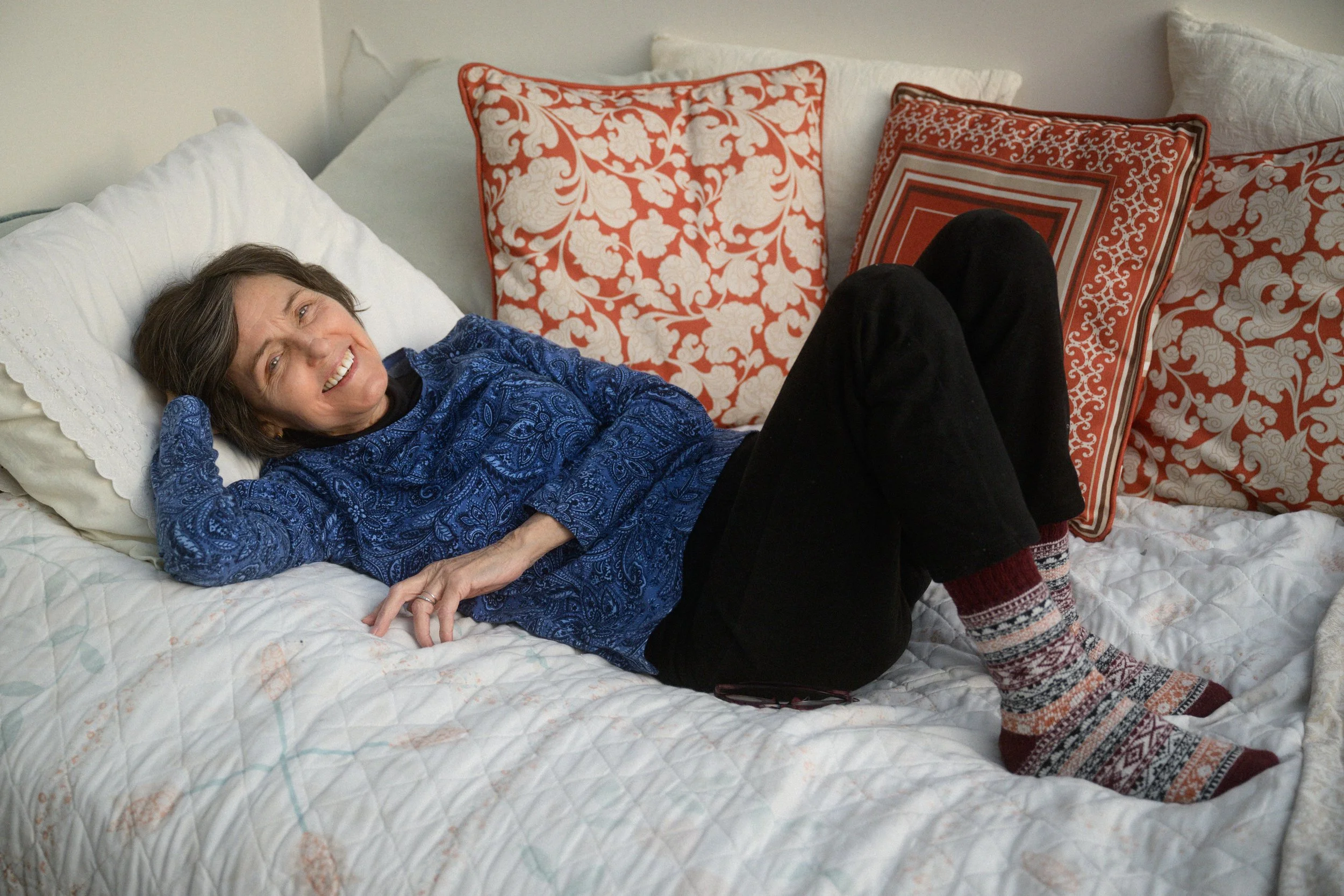
on her love of horses
I used to ride horses. It was always rejuvenating. Even if I was sick, I’d get on a horse and feel healthier. When you ride a horse, you’re working with another animal in partnership, and that’s a lovely thing.
A while ago, I bought a couple of wonderful horses. They were young when I bought them; one was five and one was seven, exactly Lincoln's age at those times. They were being sold for dog food at an auction. And I bought them for a dollar a pound and got them vet care. The first, Caravaggio, cost about $1,200 and at the time, someone I did not know came up to me and handed me a check for $600 — half the cost. She said, I’m so glad you saved him. That was lovely. I moved him up to Summers, New York; we arranged for someone to take him on. The second horse I got, Spanky, started in Manhattan, then went to Brooklyn, then the Bronx. I wanted to call him Tri-Borough. Ultimately, it was too expansive to keep him in New York, so I moved him to Connecticut. He was a star. He had to have a lot of vet work initially and after we did that, he went on to amateur competitions. They both won blue ribbons in amateur competitions, actually. Spanky was an ex-racehorse. He had such energy. He'd be in a paddock with fences, and he’d jump them just for his own pleasure. He'd just go around and jump, jump, jump, jump. So, someone from the Olympic team came to check him out, but he was just too short — the jumps are really high sometimes. But he was just a fabulous horse.
on finding a compatible partner
Peter and I have been together for 25 years. We met through an ex-boyfriend of mine, Stan. He knew Peter, and Peter was looking to meet someone here in New York because he’d moved down from Vermont. He wasn't finding anyone he was particularly interested in. And Stan goes, oh, you should meet my friend Rita. But then Stan kept holding off. Stan would not introduce him to me. Finally, Peter badgered him enough. He said, come on, you keep saying that I should meet your friend Rita, but then you don't introduce us. Stan goes, oh, I don't know, I don’t think it’s proper. He just didn't want to introduce us. But Peter pushed him, and Stan called me and said, do you mind if my friend Peter calls you up? I understand if you don't want to. He was hoping I’d say no. But I said, yeah, go ahead. And Peter called. The first thing I said when he called was, aren't you brave? I thought that was excellent that he’d asked his friends to set him up. Always ask your friends if they know someone that they think you would get along with.
Our first date was a walk in the park. He made me laugh. We were watching this lady in a runners’ group, learning how to run. She was all dressed in pink — pink hat, pink jacket, pink pants, and she was running up the hill with these little, teeny steps. He goes, look at that energizer bunny. It was perfectly what she looked like. I once heard a marriage counselor say that the three most important things, if a relationship is going to last, are, one, they share your values; two, you believe that they are a good person; and three, they can make you laugh. If they can't make you laugh, they don't know you enough. If they can't make you laugh, they don't care enough. Although the one that's where most people fall down is shared values, because we don't ferret that out in the other person early on. You often discover that much later.
As you go on in years, if you’re going down the right road, you are trying to think about what you can do for both of you, and how you can help the other person. That’s very much what a partnership is. He does all the shopping. He does all the cooking. I do not cook at all. I don't enjoy it. But I will rigorously set the table and do the dishes. That's the kind of partnership one can have.
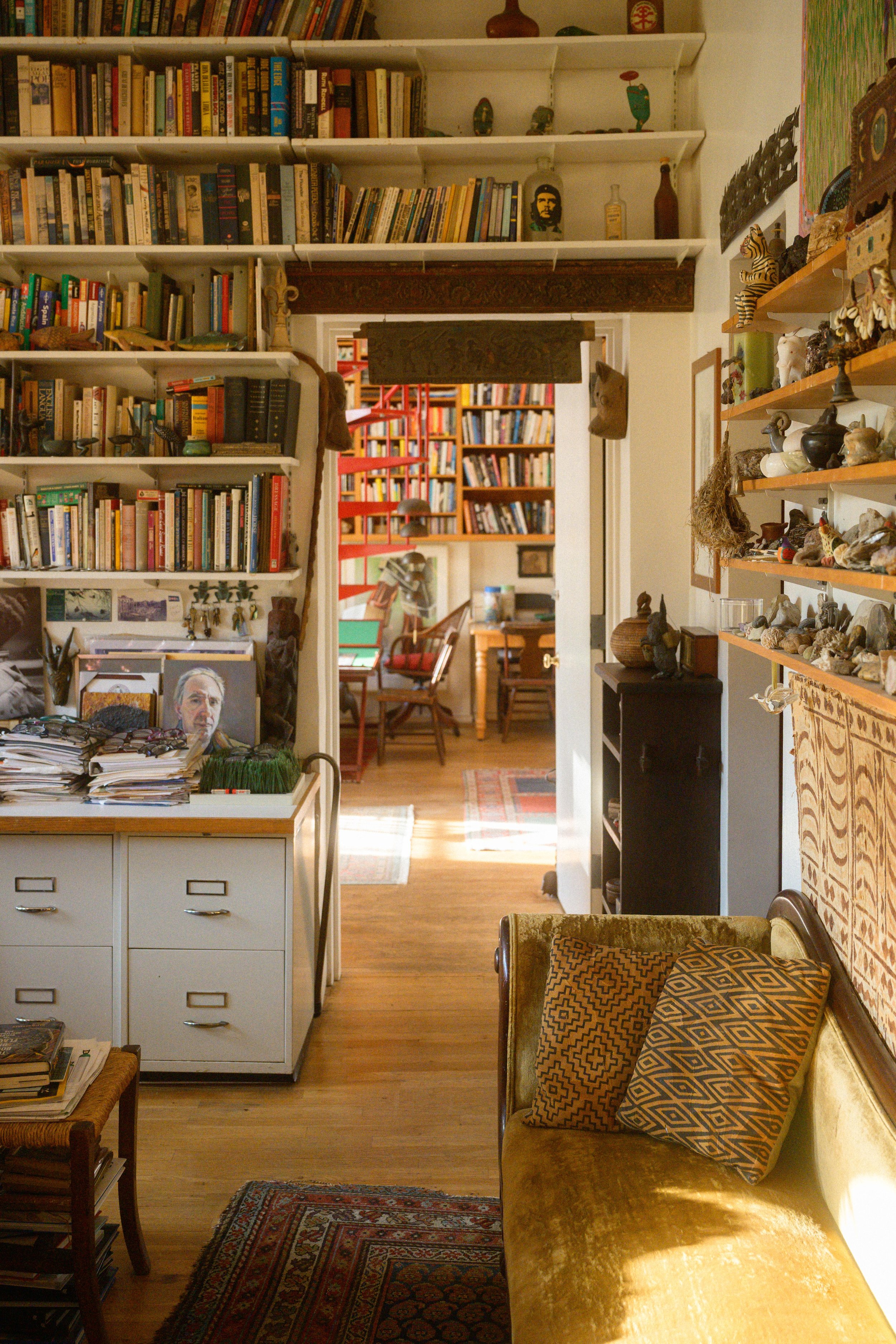
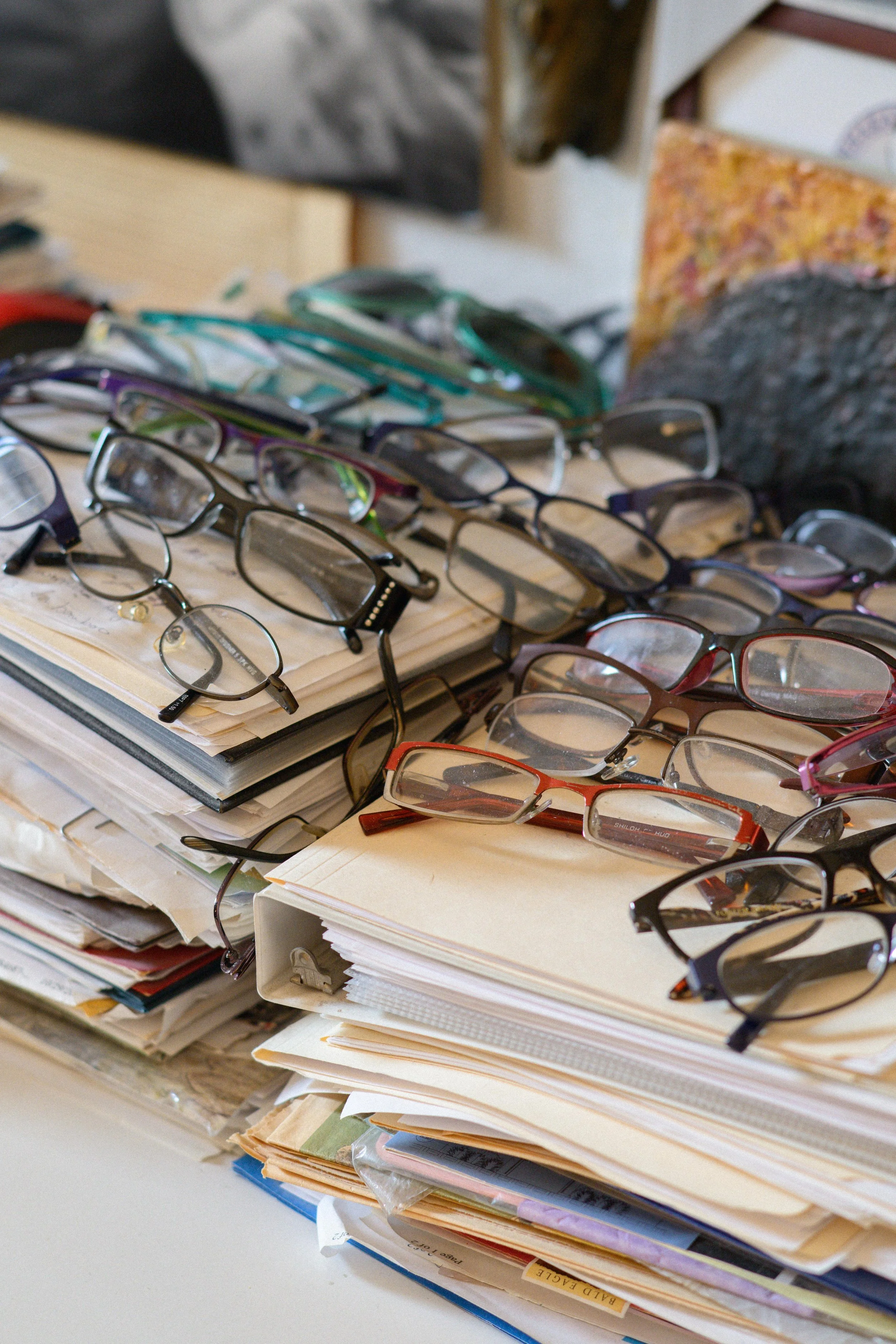
“Most people deal with the shoulds — I should have done this, I should have done that, should, should, should, should, should. It’s so much better if you can focus on your accomplishments, whatever they might be. Even if it’s just thinking, I avoided this, I didn’t do that, and it was good that I didn’t do that.”
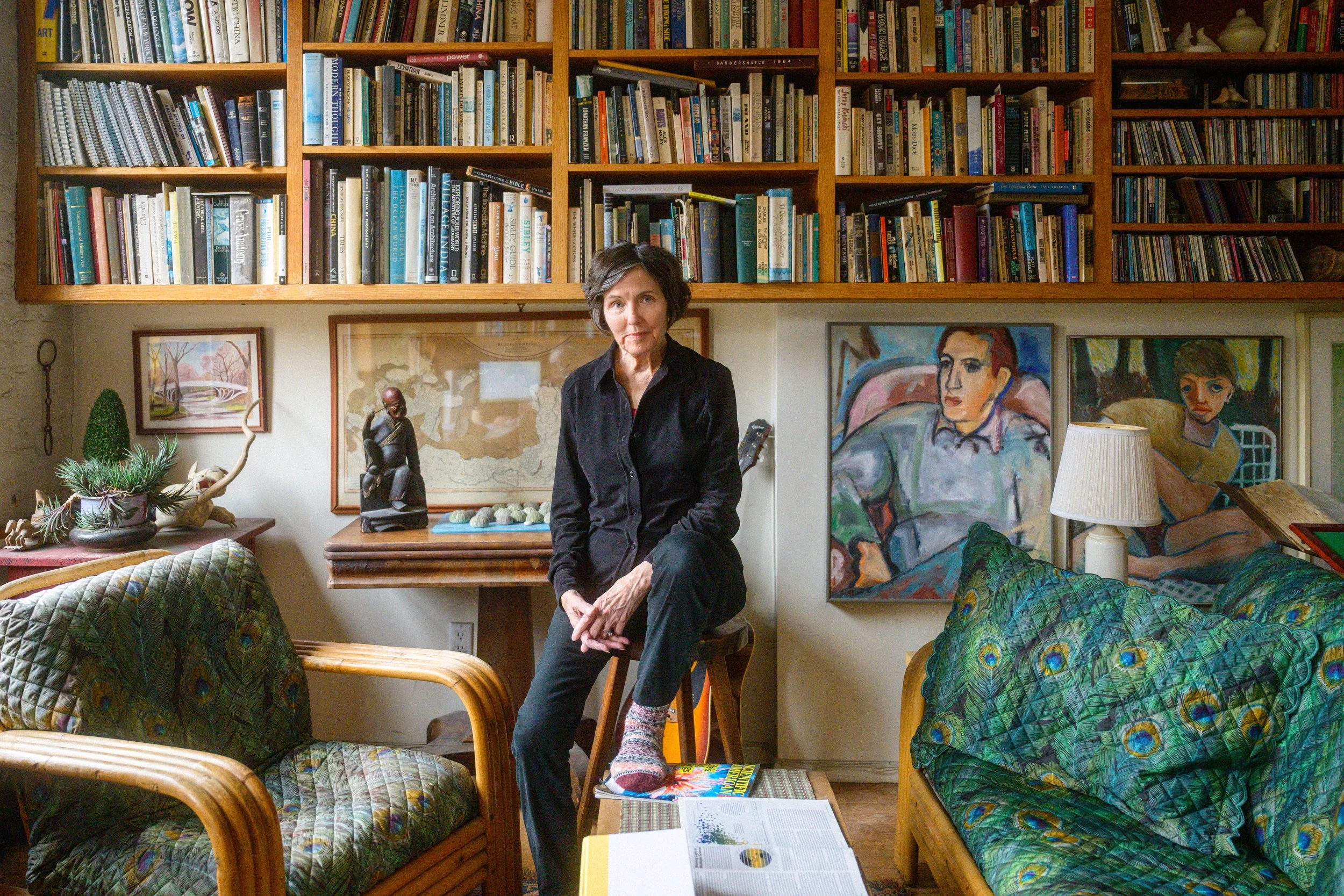
on founding the wild bird fund
Once, I was coming back from visiting my horse in Connecticut, and I saw this Canada goose on the side of I-684, which is a six-lane highway. I tried to get it help and could not get it help anywhere. Nobody at the animal hospitals wanted it. He died the next day. And that's when I learned New York City was the only major city in the United States that did not have a wildlife rehab center.
I didn't set out to start a center, I just started doing rehab with individual birds. This was in ‘95. I had a little background; I’d worked with Animal General, which is on 87th and Columbus. I had been chauffeuring a wildlife rehabber around when she wanted to go one place or another. The people at Animal General turned around and said, we don't want to deal with her anymore. We will give you access to all the medical facilities here to do what you do, as long as we don't have to deal with her anymore. And so, the manager of the practice there and I founded the Wild Bird Fund.
I did TV research consulting for 35 years. It paid exceedingly well. If I sat my ass down in a chair with a group of people, they had to pay me a thousand dollars. I was a little diva. But then the methodology changed, and Wild Bird Fund was growing — I couldn’t do it part-time anymore. So I finally retired and opened the center in 2012. There are so many patients, so now we are building a second facility in Brooklyn.
on dressing for work
I have a wardrobe for going to the Wild Bird Fund Center, which is almost entirely black, because bleach is used to sanitize certain things at the Center. When you bleach something, it leaves pale yellowish dots on your clothes, even if someone has just sprayed bleach in the room or on a counter. And with black, all I need is a Sharpie pen on the clothes to hide the bleach. But I also have other color Sharpies. One of the people I work with got me a whole palette of different colors for my clothes. You can repair your clothes that way if they get stained by bleach. I know that's really something else, but it works.
on finding purpose
There’s a Japanese term, ikigai. In French, it's raison d'etre — a reason for being. It's devotion to the activities you enjoy, that bring you a sense of fulfillment. It's a passion. You have a mission that gives something to the world that it needs. Hopefully you also get paid for it, so that you can keep doing it. Your greatest accomplishments do take a whole lot of work and hardship. But there are special moments in your life, when you really stretch yourself, your body, or your mind, and you do it voluntarily to accomplish something you really think is worthwhile.
I believe that in the 1980s, television was the highest form of art in the United States. That's probably sacrilege to most people, but we did TV like nobody else did, and it was something that touched so many people. Social mores can change because entertainment is taking you down new roads. So, I had a cause when I was doing market research for 35 years. The other side of that was keeping crap off the air. That was my ikigai then.
In graduate school, it was the art — my Velázquez, and there were other cases too. A Chardin painting at the Frick that was not by Chardin. It's by a 19th-century female still-life painter, Anne Vallayer-Costa. They took it off the walls for 20 years after I wrote about it, and then they put it back up when I was no longer in the field. I want to give that information as a gift to some graduate student so that they can benefit from arguing this point and get that painting reattributed to the proper artist. That kind of thing, that was a cause. And now, I think about Jane Goodall. She said, “Only if we understand, can we care. Only if we care, will we help. Only if we help, shall we be saved.” With wildlife rehab, I feel so good. For example, I put a sling on a Cooper’s hawk yesterday, and that was a good little moment. It’s self-fulfilling. But the bigger job of the Wild Bird Fund is to lobby and get people to think of and understand wildlife. So, saving the world — that’s my motivation.
on new york city wildlife
I want to raise the status of pigeons, because in New York City, that’s the main wildlife people see. With 80% of the world’s population living in an urban environment, we don’t see the wildlife all around us, whether up in the skies or on the pavement. And if they could see the denizens of the street who live beside us so closely and marvel at them, at their tremendous intelligence, at their ability to coexist with us and to know us, at their diversity of coloration, at their interactions, that could really make a difference. Pigeons know the people walking down the street. As they look at you, they decide if you're a threat or not. They move out of the way for a threat, but if you are walking a certain way, they know, that person's OK. They judge us left and right, and we judge them unfairly.
“Early mankind was constantly looking out for what might be fatal — is that Mastodon gonna get me? We are still hardwired to think about what could hurt us all the time. And we don’t focus on what is good. If you can focus on what’s good when you go to sleep at night and when you wake up, it makes you happier. That’s why we love art and we love music — we can focus on something good.”
on confronting her weaknesses
I struggle with drinking. I went to AA for a year way back when because it seemed to be out of control. Then I went back to drinking and I really didn't drink much at all. But as pressure rises, with all the different things I'm doing, it gets harder. Now, I see a harm reduction therapist and their feeling is that I do need to decompress every day, and the wine is probably helpful in that way. So we came up with a plan, which is that I'll have one or two glasses of real wine and then I switch to fake wine, which is only 5-6% alcohol. That's what I'm doing now, although it is a constant question. But the last time I spoke to her, she goes, I'm recommending what you're doing to other people who do not want to give up alcohol completely. The question is, how do you control your weaknesses? Can you do something that leaves you in good stead and doesn't make you feel like you are depriving yourself?
on dealing with loss
When you lose someone you love, it helps if you can celebrate them. You can’t always do it immediately, but try to think about how you love them, not just about the fact that you've lost them. I talk to the people I’ve lost in my head. I’ll say, oh, you’ll really like to see this, blah, blah, blah. I like to take a coffee mug from the people who are gone, and then I pick up that cup in the morning when I want to access a part of their persona. Like, I have a mug from Jimmy, my architect, who was helping me plan our Brooklyn center. I'll take the mug and think, you know, Jimmy, I'm facing so many troubles here. I need your thinking, help me out. And then I'll go look at the plans for Brooklyn. Or my mother or my father or all different people, I will take them as inspiration that day. I’ll think, okay, Uncle Tommy, you would do this in this way.
on her beauty and health routine
Everything we eat is fresh. That's what Peter does so marvelously well. He goes out and gets good food and prepares it himself. I use a Mederma cream — they have a facial cream and a body cream. And I initially started using Retin-A because I get basal cell carcinoma, but it does plump up the skin on your face too. You can’t use it too much because it dries you out. The other thing is exercise. If your body is in good shape, your brain is better. It’s important to keep yourself strong and limber. I have arthritis in every major joint in my body, and now, I have exercises that keep all my joints mobile. Check everything. Your eyes, heart, lung, whatever you might have a problem with, just make sure you're minding the shop. And do not forget your nether regions. That has to be checked too. I lost a friend recently — she just never bothered to go to a gynecologist, and she died of cervical cancer. Totally preventable.
on her career advice
As far as a career is concerned, you've got to try out different roads that interest you. You'll start on one and then you’ll follow your interests down a different one. Keep following your interests. You might abandon one after another, but at least you've given them a good shot. That's not a list of failures. Each is an experience you can value, cherish, and actually use in the future.
Programming Executive was terribly impressive to have on a business card, and then, when I was no longer a programming executive, I didn’t have that business card anymore. My mother said, just do what they used to do in the old days: a card with your name. That's all you need. And that's true. I added a phone number; now, you would add your email. But that's it. It's a name card. That's who you are. Do you have to be defined by something else? No. And it's more mysterious than having a title from some company.
rita’s favorite spots in new york city
Favorite place to visit with out-of-towners: take the subway to the eastern end of the Brooklyn Bridge. Explore Dumbo and then walk across toward Manhattan.
Next favorite: the Circle Line an hour before sunset.